
If you keep sheep, know a local farmer, or have spotted bags of raw fleece for sale, you might be wondering if you can use it in the garden…. Yes!
Raw sheep wool can be a brilliant helper in the garden. It can:
- Hold moisture.
- Suppress weeds.
- Add nutrients slowly.
- Protect roots from temperature changes.
- Give low-value fleece a useful second life.
It is not magic, of course. It can smell a bit sheepy. It can be bulky. It can also take a long time to break down. But for beginner gardeners, allotment holders, and smallholders, it is a lovely natural material to experiment with.
Wool has been studied as a mulch and fertiliser source. Research shows it can improve water use efficiency in some soils, while wool pellets have performed similarly to commercial organic fertiliser in trials with spinach and tomatoes. Sheep wool is also naturally rich in nitrogen, with some sources reporting around 10-11% nitrogen in wool, although the exact content can vary.
So, let’s look at the practical ways you can use it.
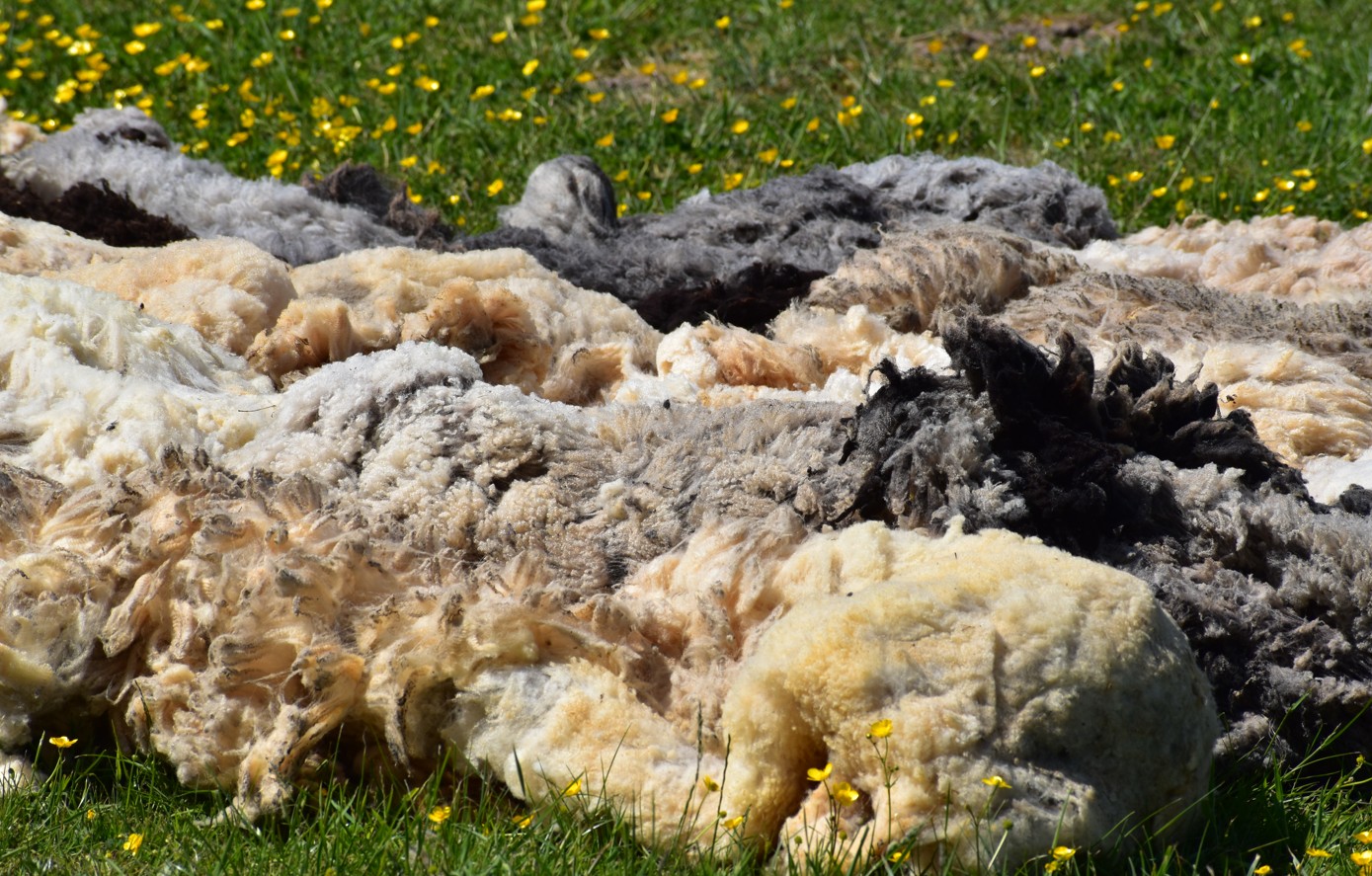
Use raw wool as a mulch
This is probably the easiest place to start.
A wool mulch works a bit like a blanket for the soil. It sits around your plants and helps cover the ground. This can reduce weeds, hold moisture, and protect the soil surface from drying out too quickly.
Wool can hold a lot of water. SDSU Extension describes wool as sponge-like, holding 20–30 times its weight in water before slowly releasing it back into the soil. Wool mulch has also been linked with improved soil moisture and more stable soil temperatures in research on pepper crops.
How to use it
- Weed the area first.
- Water the soil well.
- Pull the wool into loose, fluffy pieces.
- Lay it around plants in a layer about 3–5 cm deep.
- Keep it a little away from plant stems.
- Water again to help it settle.
Best for
- Fruit bushes.
- Rhubarb.
- Courgettes and pumpkins.
- Tomatoes.
- Perennial herbs.
- Young trees.
- Raised beds.
Tips
- Use it around transplants, not where you want to sow tiny seeds directly.
- A dense wool mat can make direct sowing tricky.
- If you grow squash or pumpkins, keep fruit from sitting directly on wet fleece. Some gardeners report problems with fruit rotting when it rests on wool.
- In windy spots, peg it down with sticks or cover lightly with straw or bark.
Line hanging baskets and containers
Hanging baskets dry out quickly. Wool can help.
You can use raw fleece, wool pads, or wool liners to line baskets. Wool is flexible, breathable, and moisture-holding. Garden writers and wool garden suppliers suggest it as a natural liner for hanging baskets because it can be shaped to fit and helps retain water.
How to use it
- Take a wire hanging basket.
- Line the inside with a layer of wool.
- Press it into shape.
- Add peat-free compost.
- Plant up your basket.
- Water well.
Good plants to try
- Strawberries.
- Trailing tomatoes.
- Nasturtiums.
- Petunias.
- Herbs.
- Lettuce.
Tips
- Do not pack the wool too tightly.
- Make sure excess water can still drain.
Use it in pots as a moisture helper
Wool can be useful in pots and planters.
It helps hold water near the roots. It can also stop compost washing out of drainage holes while still allowing water to escape. Garden writers recommend using wool felt or pads at the bottom of containers instead of crocks, because it holds some moisture while letting excess water drain away.
How to use it
- Put a thin layer of wool at the bottom of the pot.
- Add compost.
- Plant as normal.
- Water well.
Try it with
- Tomatoes.
- Chillies.
- Courgettes in large pots.
- Herbs.
- Strawberries.
- Patio fruit bushes.
Tip
Do not fill the whole bottom of the pot with wool. A thin layer is enough.
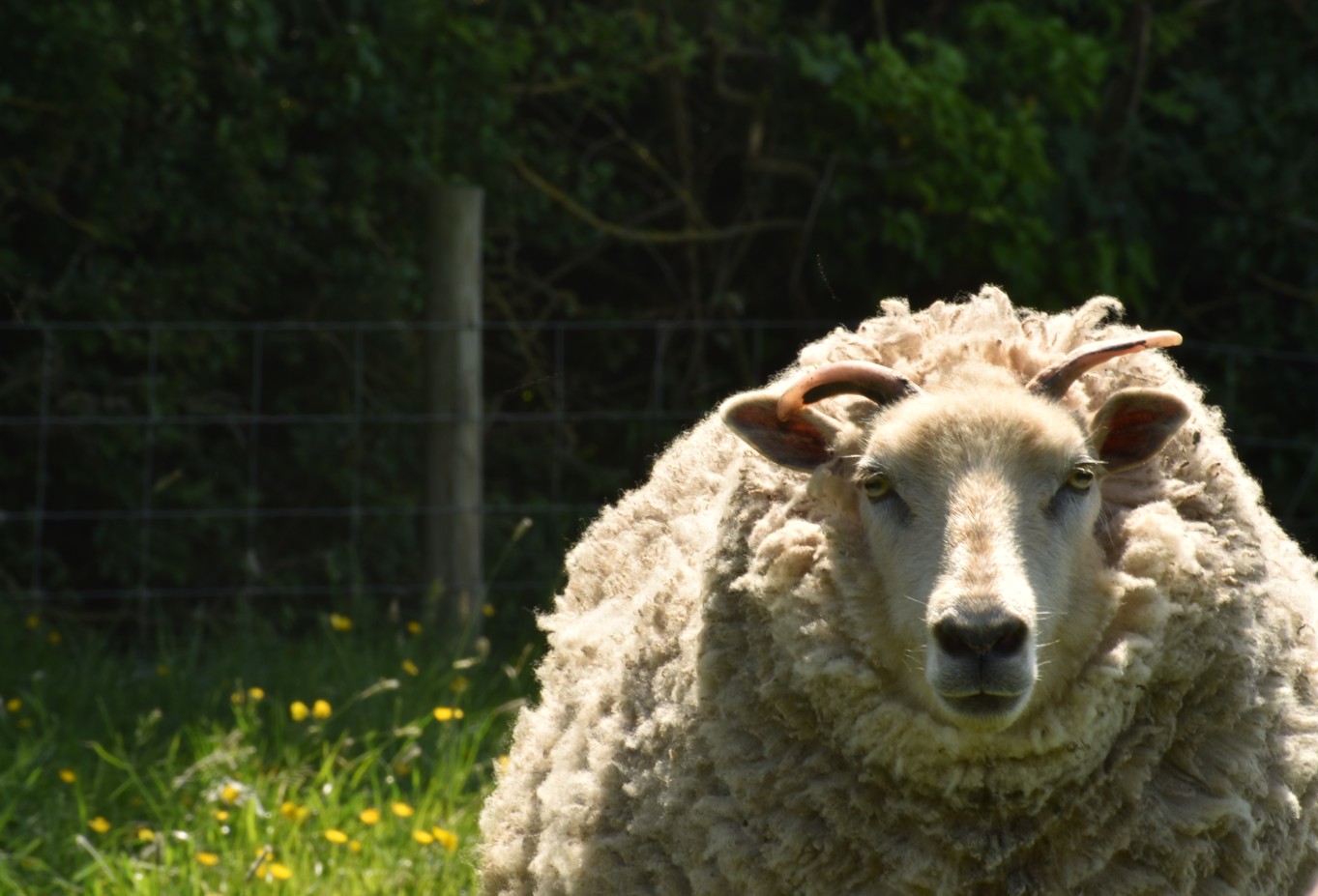
Try it as a slug and snail barrier – but be realistic
You will often see wool sold as a natural slug deterrent.
The idea is that slugs and snails dislike crawling over the dry, fibrous surface. Some gardeners find it helpful. Wool mulch is also commonly promoted as a barrier around tender plants.
But here is the important bit.
The Royal Horticultural Society tested several common slug barriers, including wool pellets, around lettuces. In that trial, they found no difference in damage between protected and unprotected plants.
So, wool may help in some gardens. But it is not guaranteed.
How to use it
- Make a loose ring of wool around vulnerable plants.
- Use it around hostas, lettuces, dahlias, beans, and young brassicas.
- Keep the barrier fluffy and topped up.
- Replace it if it gets flattened or buried.
Best approach
Use wool as one part of slug control.
Also try:
- Encouraging birds and frogs.
- Watering in the morning, not late evening.
- Removing hiding places near seedlings.
- Growing some sacrificial plants.
- Hand-picking slugs if needed.
The RHS also advises against slug pellets, including organic ones, because of negative effects on garden wildlife.
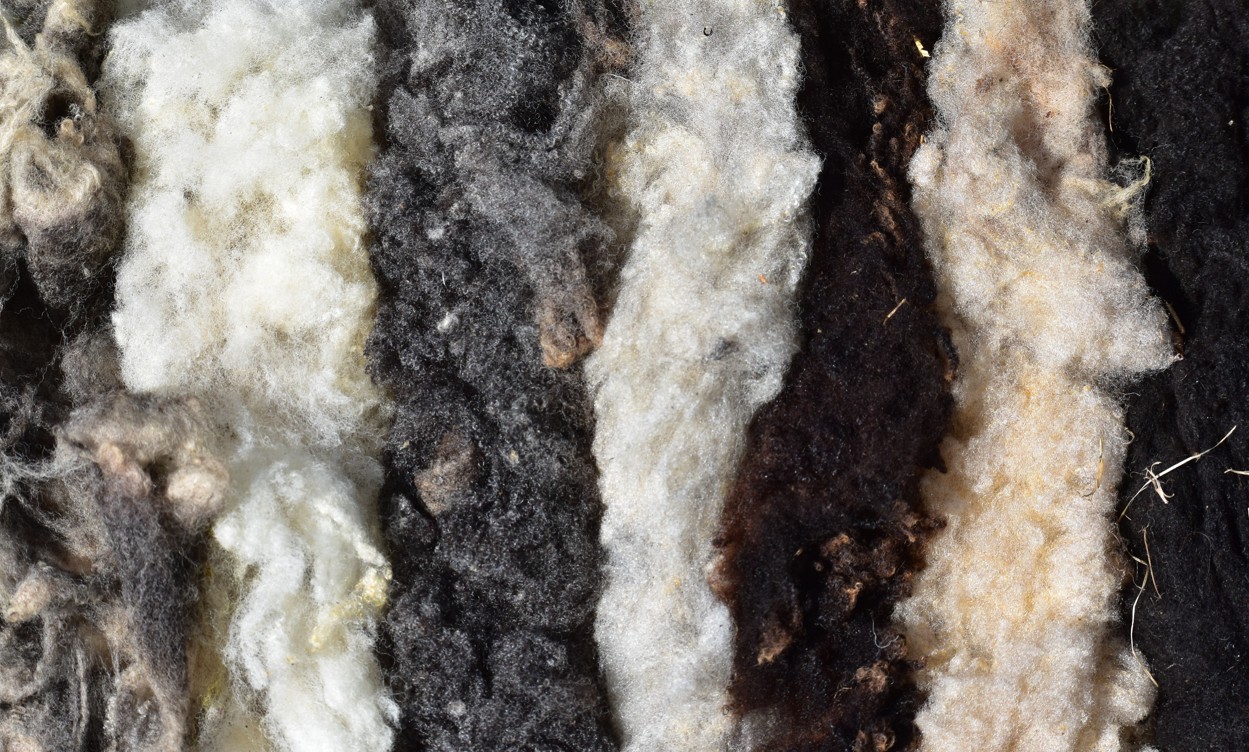
Add small amounts to compost
Raw wool can go into the compost heap.
It breaks down slowly. That is a good thing if you want long-term soil improvement, but it does mean wool is not a quick compost ingredient. Research and horticultural sources report that wool biodegradation can take months to two years, depending on conditions.
How to use it
- Tear or cut wool into smaller pieces.
- Mix it with grass clippings, leaves, veg peelings, or manure.
- Avoid adding it in big clumps.
- Keep the heap moist, not soggy.
- Turn the compost when you can.
Why smaller pieces matter
- Wool can clump together.
- Large bundles may compact and slow the composting process.
- Research summaries on wool composting recommend separating wool before composting to avoid dense clumps.
Good compost mix idea
Try thin layers of:
- Wool.
- Grass clippings.
- Chopped leaves.
- Poultry bedding.
- Kitchen scraps.
- Manure, if you have it.
This is especially useful for smallholders with sheep, chickens, or goats.
Add wool when planting hungry crops
Wool is a slow-release nutrient source.
It is not the same as liquid feed. It will not give plants an instant boost. Instead, it breaks down over time and releases nutrients gradually. Wool pellets have been trialled as a fertiliser and performed similarly to commercial organic fertiliser when applied at the same nitrogen rate.
How to use it
- Dig your planting hole.
- Add a small handful of teased-out wool.
- Mix it with soil or compost.
- Place the plant on top.
- Backfill and water well.
Good plants to try
- Tomatoes.
- Courgettes.
- Pumpkins.
- Rhubarb.
- Fruit bushes.
- Roses.
- Perennial herbs.
Caution
Do not overdo it. A handful is plenty for most young plants. Wool breaks down slowly, so think of it as a long-term soil improver rather than a quick feed.
Use wool in wormeries and wet compost bins
Raw wool can be handy in a wormery.
It can act as bedding, soak up moisture, and help stop food waste becoming too wet. Some raw wool mulch suppliers specifically recommend wool for compost heaps and worm farms as bedding and moisture control.
How to use it
- Add a thin, loose layer.
- Place it under wet food waste.
- Do not smother the worms.
- Check moisture levels regularly.
Tip
If your wormery smells bad, it is usually too wet or too full. Wool can help absorb moisture, but you still need balance.
Offer small tufts for nesting birds
This is a sweet one.
Small tufts of clean-ish sheep wool can be left for birds to use as nesting material. Some garden wool suppliers suggest tucking small pieces into hedges or nesting boxes, and replacing them if they become wet or dirty.
How to use it
- Pull off small tufts.
- Place them in a hedge, shrub, or fat-ball feeder.
- Keep them loose.
- Remove soggy or dirty wool.
Before you start: quick safety and sourcing tips
Raw wool is, well, raw.
That means it may contain:
- Lanolin.
- Grass seeds.
- Straw.
- Dirt.
- A bit of sheep poo.
That is normal.
Simple preparation
- Wear gloves.
- Shake out large bits of muck.
- Remove plastic tags or baler twine.
- Store dry before use.
Ask the supplier if the wool has been treated or dipped.
If it smells sheepy, do not panic. Outdoors, the smell usually fades.
Raw sheep wool is not the neatest garden product.
It is fluffy. It is rustic. It might arrive with bits of hay in it. But that is part of the charm.
For allotment holders, domestic growers, and smallholders, wool is a lovely example of circular gardening. A material that might otherwise have little value can help your soil, support your plants, and reduce waste.
Why not give it a try? And if your plants grow well, your soil stays moist, and your woolly mulch saves a fleece from going to waste, that feels like a pretty good win.


