
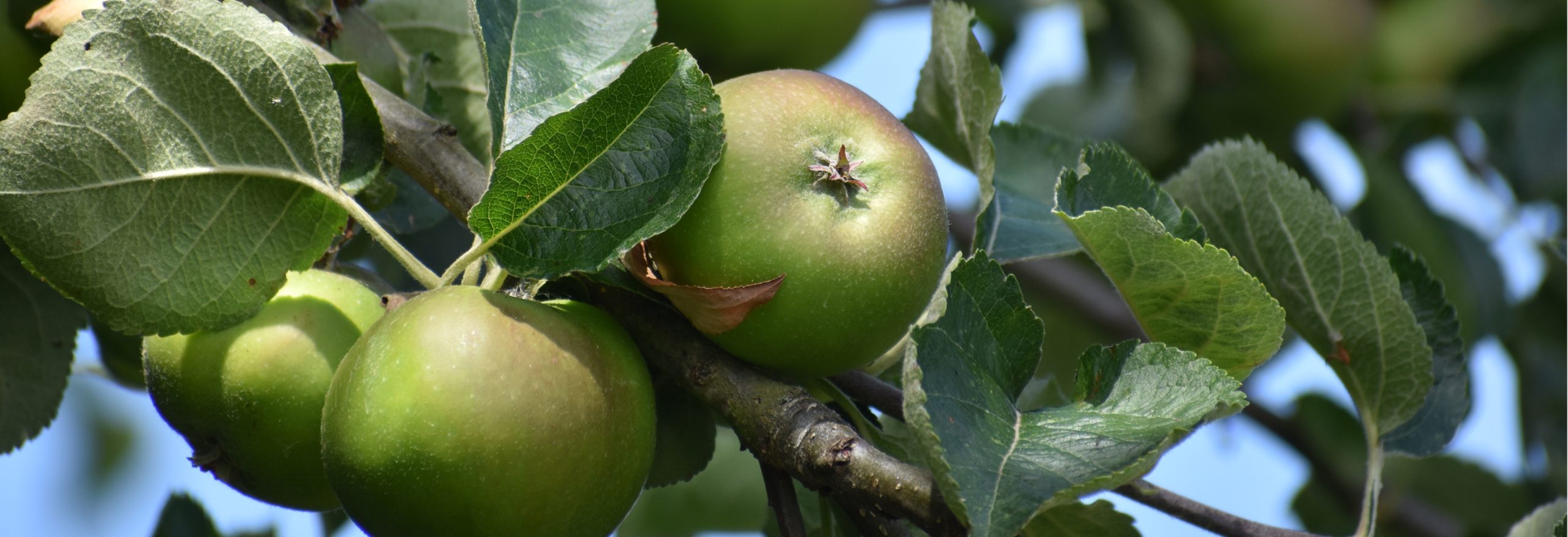
If an apple tree comes down in a storm, reaches the end of its fruiting life, or simply hands you a heroic pile of prunings every winter, it is very easy to look at the heap and think, well, that is an awful lot of tidying. But apple wood is one of those gloriously overachieving materials that refuses to be “just garden waste.”
It is a dense hardwood with a very fine, uniform texture, attractive reddish-brown heartwood, pale sapwood, and a faint sweet scent when worked. It is also rarely sold in big, easy lumberyard boards, because apple trees are usually pruned low and tend to yield smaller, shorter pieces – so wood from your own tree is often more useful and more special than people realise.
That is the real charm of apple wood: it is practical, beautiful, and oddly versatile. It burns well, smokes food beautifully, suits carving and turning, and has a long history in small household objects such as spoons, bowls, handles, mallet heads, and even woodwind instruments. In other words, if a tree has spent years giving you fruit, it may as well continue its career as fire, furniture, flavour, and the occasional very smug handmade gift.
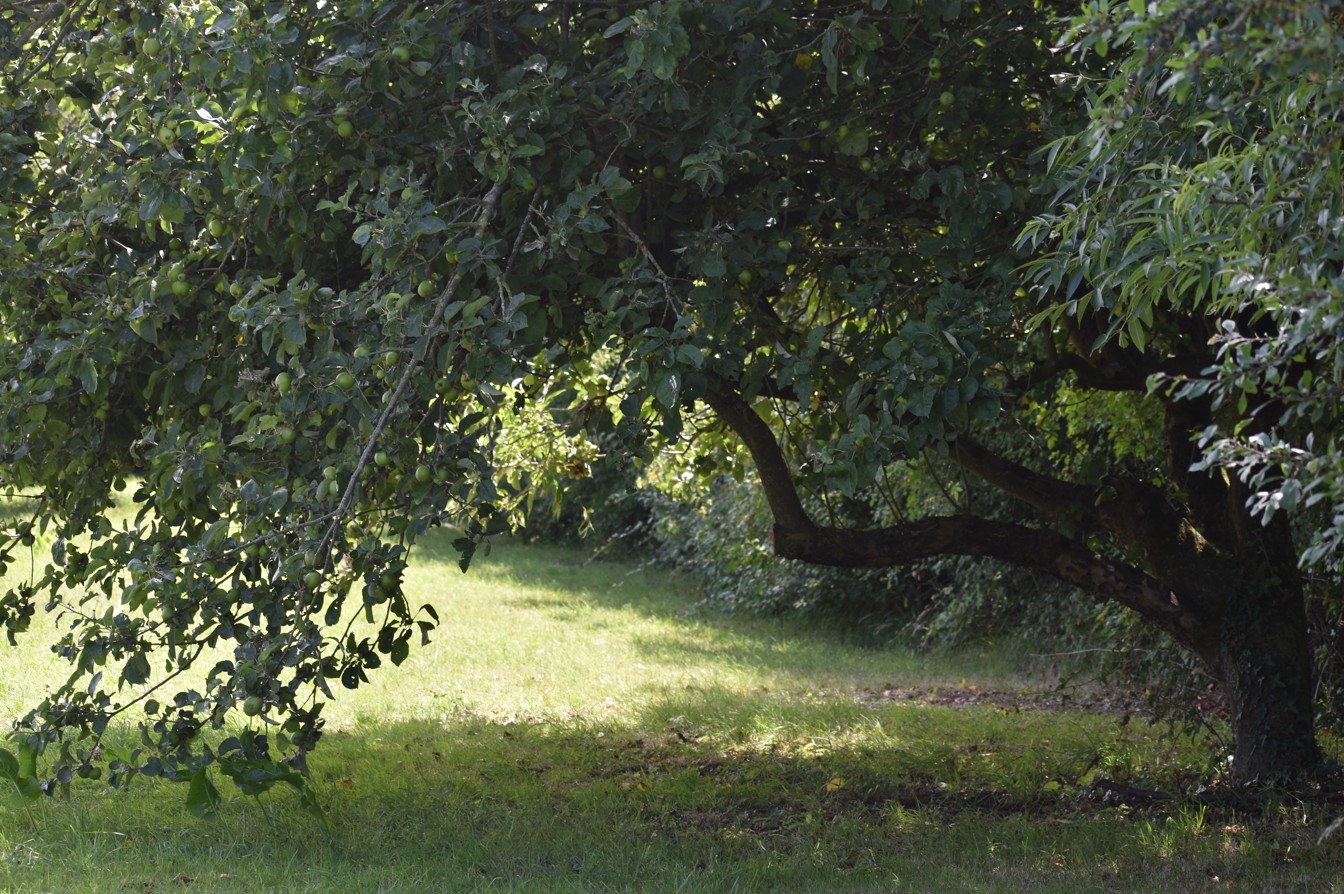
Why apple wood is worth saving
Apple wood earns its reputation because its qualities are useful in more than one way. It is hard and heavy for its size, with a Janka hardness of 1,730 lbf and an average dried weight of about 52 lb/ft³, which helps explain why it works well for turning, carving, handles, and durable small objects. It also glues, stains, finishes, and turns well, although its density means it can be a bit stubborn under dull tools and can scorch if machined carelessly.
It’s handsome, too. Apple can show warm brown, reddish, or pinkish tones, sometimes with darker streaks, and its fine texture gives finished pieces a smooth, polished look. The catch is that apple has relatively high shrinkage and a fair bit of seasonal movement, so it is usually happiest in smaller projects rather than giant slabs and grand structural ambitions.
First, sort the pile: small prunings vs bigger logs
The easiest way to use apple wood well is to sort it by size. Small prunings and twiggy branches are brilliant for some jobs; larger limbs and trunk sections are better for others. Once you separate the pile, the possibilities get much clearer – and the whole thing starts to feel less like cleanup and more like a very rustic shopping trip.
Small prunings: the quietly useful overachievers
Small prunings are ideal for smoking food. Apple wood is widely valued for its mild, sweet, fruity smoke, especially with pork, poultry, and fish. Because seasoned apple burns cleanly and hot, small dry pieces can be cut into chips or chunks for a smoker, barbecue, or pizza oven. Freshly cut wood is not ready for this job yet; it is simply wet wood with ambition. Proper drying matters for both flavour and clean combustion.
They also make excellent kindling once dry. So if you have pencil-thick or finger-thick apple prunings, they are perfect for helping get a stove, firepit, or outdoor oven going before the larger logs take over.
Then there is the gardener’s route. Straight prunings can become pea sticks, bean supports, mini trellises, plant markers, or woven edging. Apple is not rated as durable in ground contact, so think of these as charming, seasonal garden structures rather than heirloom engineering. They are perfect for a year or two of service and much nicer to look at than a bag of anonymous bamboo canes.
If you enjoy making things, small prunings also lend themselves to rustic crafts and gift bits. Apple has a long tradition in small carved household objects, and its fine texture makes it a lovely material for simple keepsakes. Short lengths can become ornaments, hanging tags, little carved pegs, mini scoops, or branch slices for rustic place markers and decorations. Not every stick needs a destiny, but a few can certainly earn one.
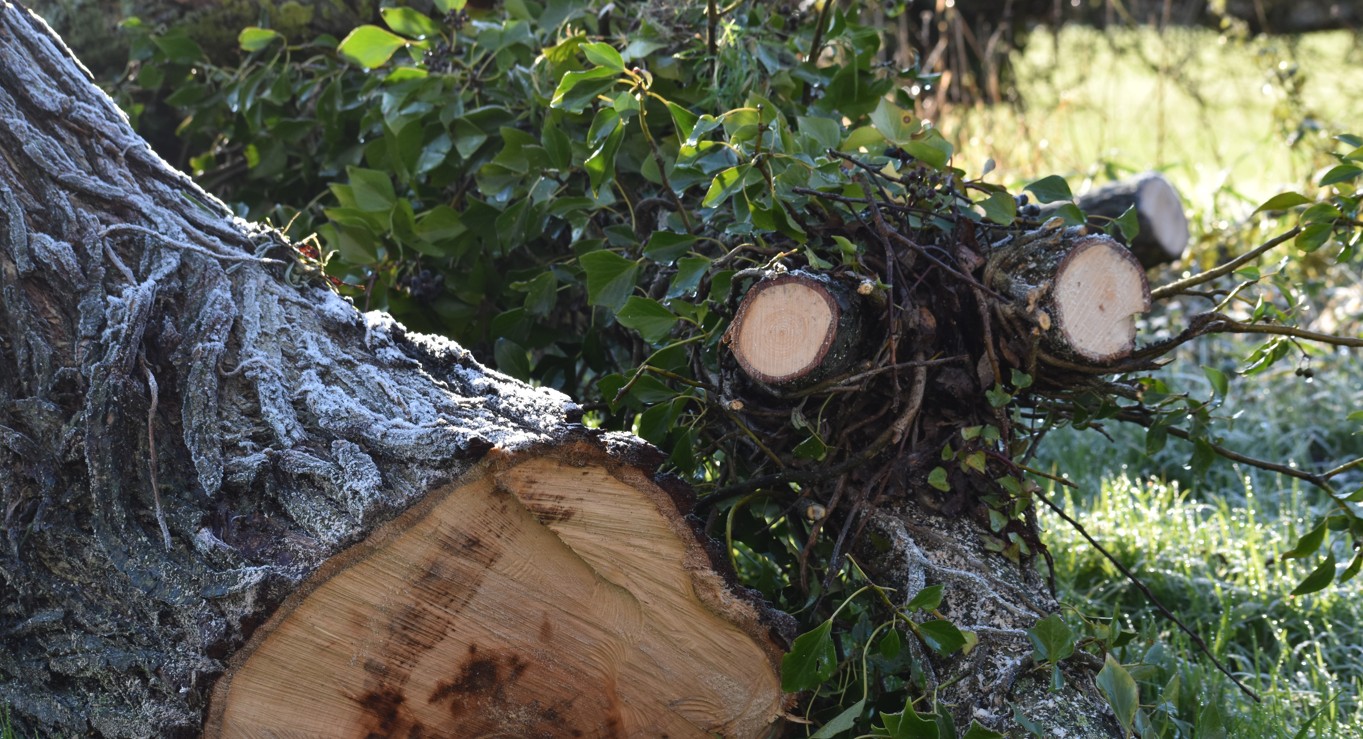
Bigger branches and fallen logs: where the really good stuff begins
Lager pieces are where apple wood starts to show off. First and most obviously, there is firewood. Apple is a dense hardwood, and Virginia Tech lists it at about 26.5 million BTUs per cord, which puts it comfortably in the “properly useful” category for heat. Destination BBQ also notes that seasoned apple burns hot and clean, producing long-lasting coals, although it burns faster than oak or hickory. In plain English: it gives a lovely, lively fire, but it is happier as a main act with a few encores than as an all-night marathon without support.
Those same larger sections are also perfect for smoking splits or chunks. If you enjoy outdoor cooking, a fallen apple tree is basically a future roast dinner in log form. Apple smoke is prized because it adds flavour without bullying the food. It is especially good when you want a gentle smoke profile rather than a full hickory lecture. Dry, untreated wood is the rule here – nothing painted, nothing contaminated, nothing dubious from the back of the shed that “might be fine.”
For woodworking, larger limbs and trunk sections can become turning blanks, carving stock, and specialty boards. The Wood Database lists common uses including fine furniture, tool handles, carving, mallet heads, turned items, and other small specialty wood objects, while Hearne Hardwoods notes that apple is best used for smaller projects because boards are usually short and narrow. That makes it ideal for spoons, bowls, handles, mallets, decorative turning, inlay work, small fine furniture, and one-off heirloom pieces rather than large fitted wardrobes and dreams of commercial sawmilling.
And yes, if the tree means something to you, a bigger log can absolutely become a sentimental furniture project. Apple wood does take patience to dry properly, but if there is ever a tree worth turning into a keepsake table, stool, or small side piece, it is usually the one that used to blossom outside the kitchen window.
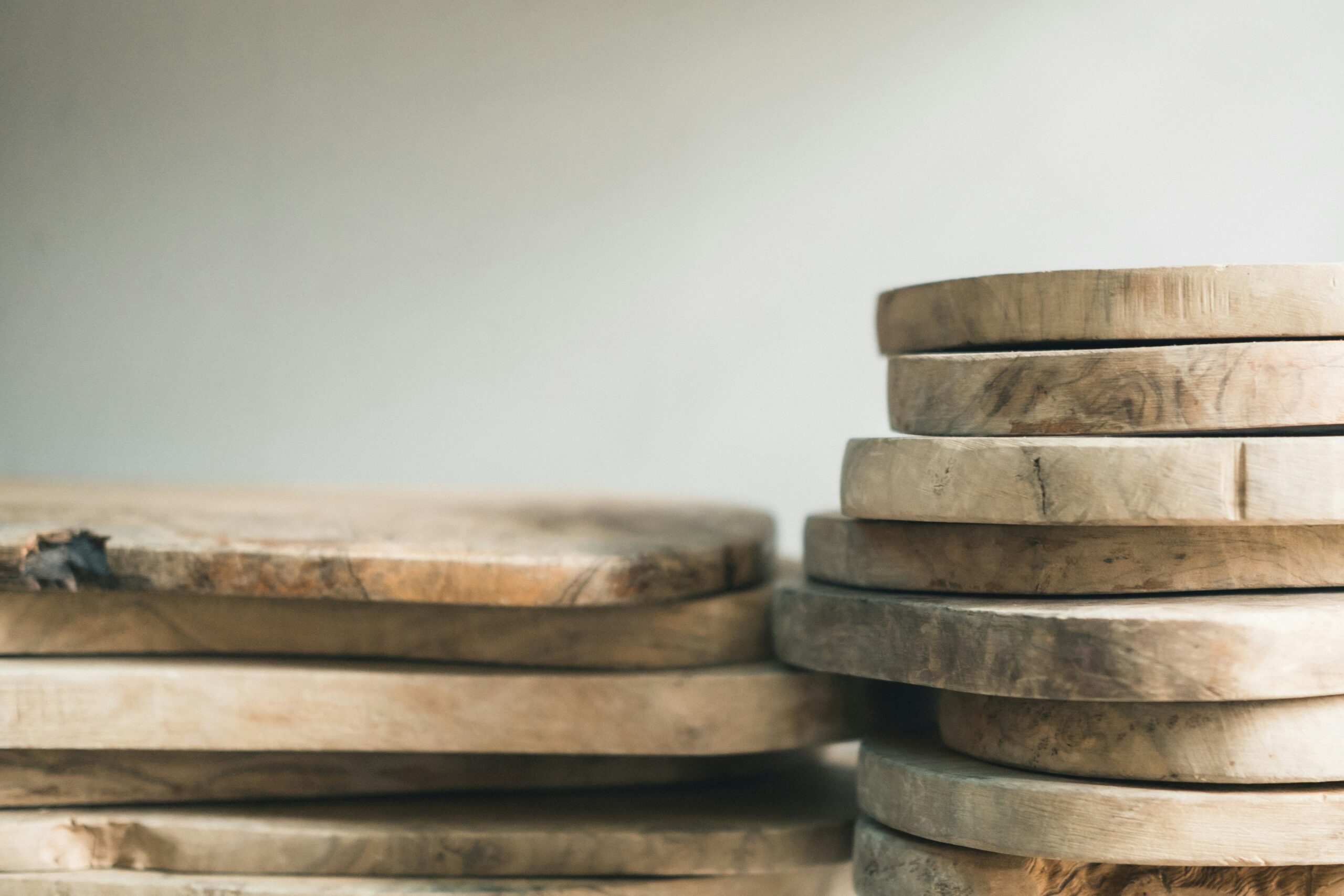
Creative, decorative, and niche ideas
Once the practical uses are covered, apple wood becomes even more fun. Because it is usually available in small pieces and has such attractive grain, it lends itself naturally to gifts and decorative household objects. Think carved spoons, little bowls, serving scoops, handles, turned ornaments, lidded pots, or small sculptural pieces that make the most of a knot, twist, or unusual bend in the wood. Apple wood’s fine texture and density are exactly why it has traditionally been used in this sort of detailed work.
If you like the idea of “useful but charming,” apple wood also suits small household bits: pegs, hooks, drawer pulls, hanging decorations, simple display stands, or branch-slice decor. I would not claim the average apple tree is desperate to become a designer accessory, but the material certainly has the looks for it. And because apple lumber is seldom available in large commercial sizes, small hand-made objects feel especially appropriate rather than like the leftovers from a more glamorous plan.
For the delightfully niche, apple wood has some genuinely interesting history. Apples & People notes that the Romans used dense, resilient apple wood for the teeth of cogwheels in watermills and windmills, and that apple wood has also been used for printing and for woodwind instruments because of its density and sonic qualities. So if anyone asks whether your fallen apple tree has hidden depths, the answer is yes: dinner smoke, a spoon, a flute, and a Roman engineering anecdote are all on the table.
A light “waste not” note
There is also a very gentle sustainability case for using apple wood well, without turning the whole thing into a sermon. Apple trees already give fruit, blossom, wildlife value, and shade; when they are pruned or eventually replaced, the wood can still offer heat, flavour, tools, and useful objects. Because apple is often scarce in lumber form and usually limited to small specialty applications, making use of your own tree is one of those rare moments where thrift, beauty, and practicality all happen to agree with each other.
So if you have a fallen apple tree – or simply a yearly pile of prunings – do not just see a job for the green waste bin.
- Thin bits for kindling, smoking, and garden supports.
- Straight prunings for craft materials.
- Bigger pieces for firewood, turning stock, carving, and perhaps a small heirloom project if the tree deserves an encore.
Apple wood is one of the few garden by-products that can warm the house, flavour supper, and sit on a shelf looking quietly wonderful for years afterwards.


