
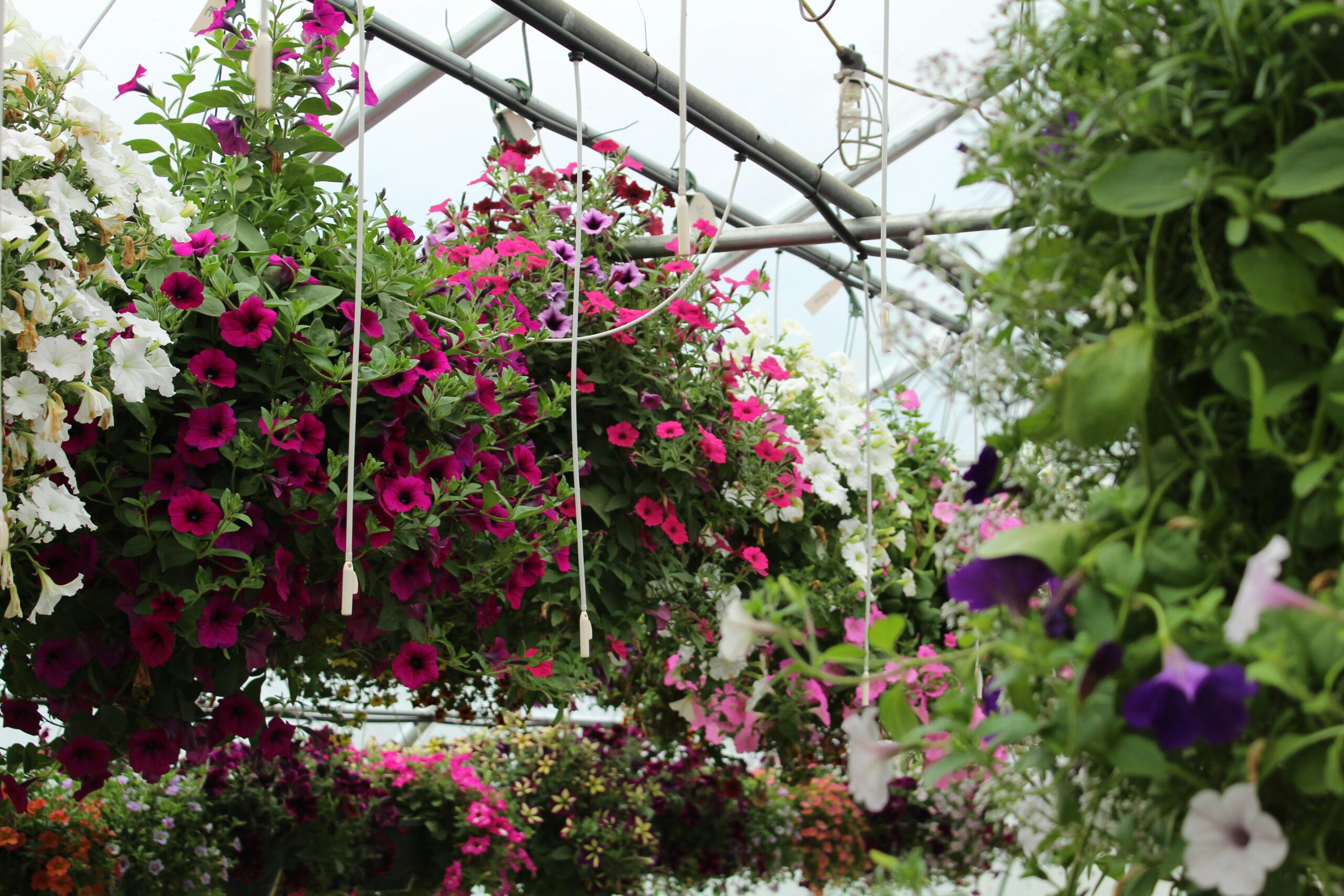
There’s something wonderfully optimistic about a summer hanging basket. You plant a handful of fairly modest-looking young plants in spring, give them a little time and attention, and a few weeks later they can be spilling over the sides in a mass of colour.
But choosing plants for a hanging basket can be surprisingly tricky. Which flowers actually work well together? Do they all need the same amount of sun? How many plants should you use? And how do you keep the whole thing looking good rather than slightly bedraggled by July?
This coming year at Greenfield, we’re growing a selection of plants specifically suited to summer hanging baskets, including petunias, trailing lobelia, Busy Lizzies, alyssum and pelargoniums.
Based on the best practice advise out there, we’re going to do some combination testing and update this post as the season progresses!
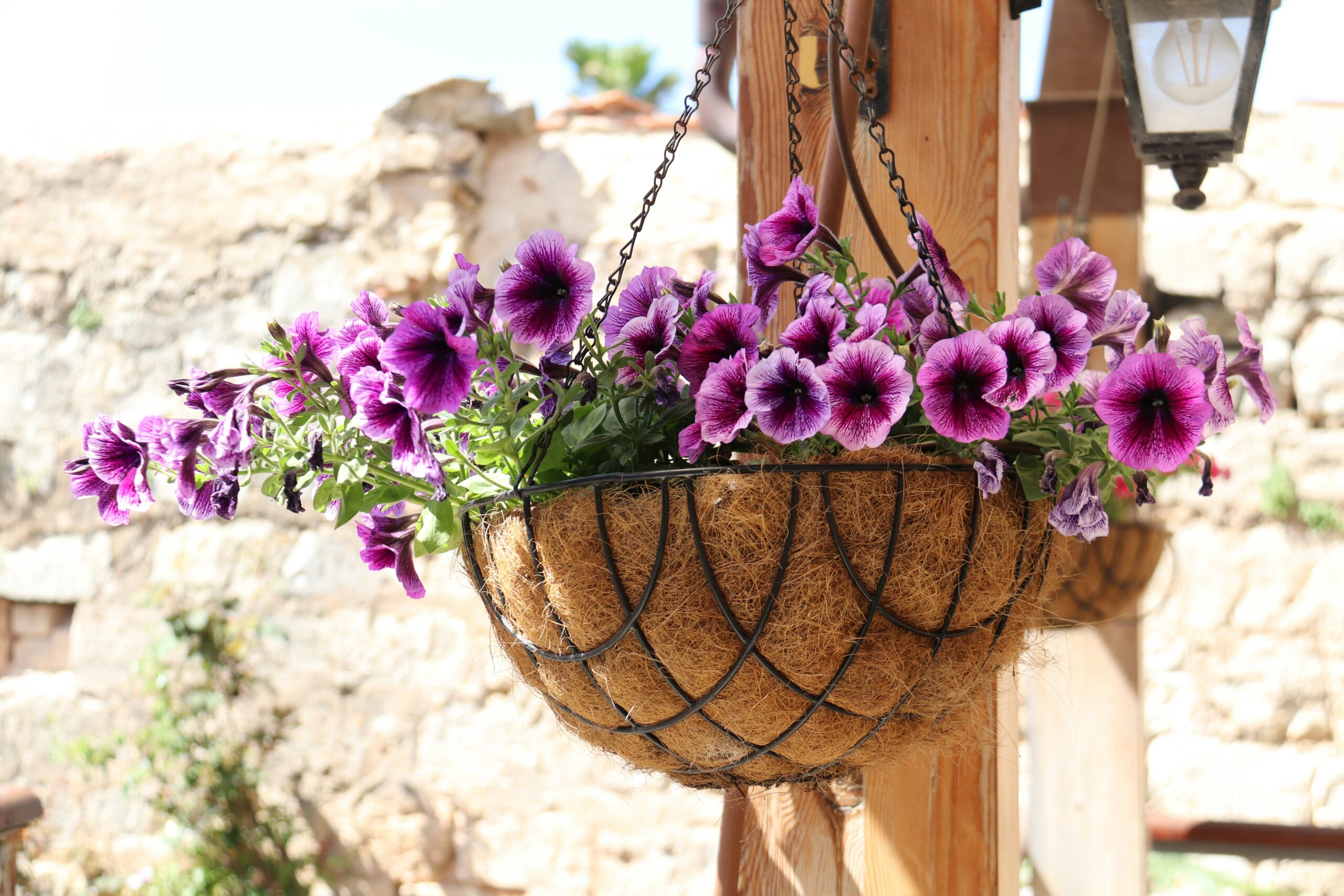
First, is your hanging basket in sun or shade?
Before choosing colours, we need think about where the basket is going to hang.
This is probably the most important decision we’ll make.
A basket hanging against a sunny south- or west-facing wall can become surprisingly hot and dry during summer.
Plants such as petunias, alyssum and pelargoniums are good candidates for these brighter positions.
If your basket receives less direct sunshine, you’ll want plants that are happier in part shade. Busy Lizzies and lobelia give us some lovely options here.
It’s also worth remembering that hanging baskets dry out much faster than plants growing in the ground. Wind, sunshine and the relatively small amount of compost available to the plants all play a part.
So we need to try and combine plants that will be happy in broadly the same growing conditions.
1. Classic Red, White & Sapphire Hanging Basket
Plants we’re using:
- Petunia Aphrodite F1 Red
- Petunia Aphrodite F1 White
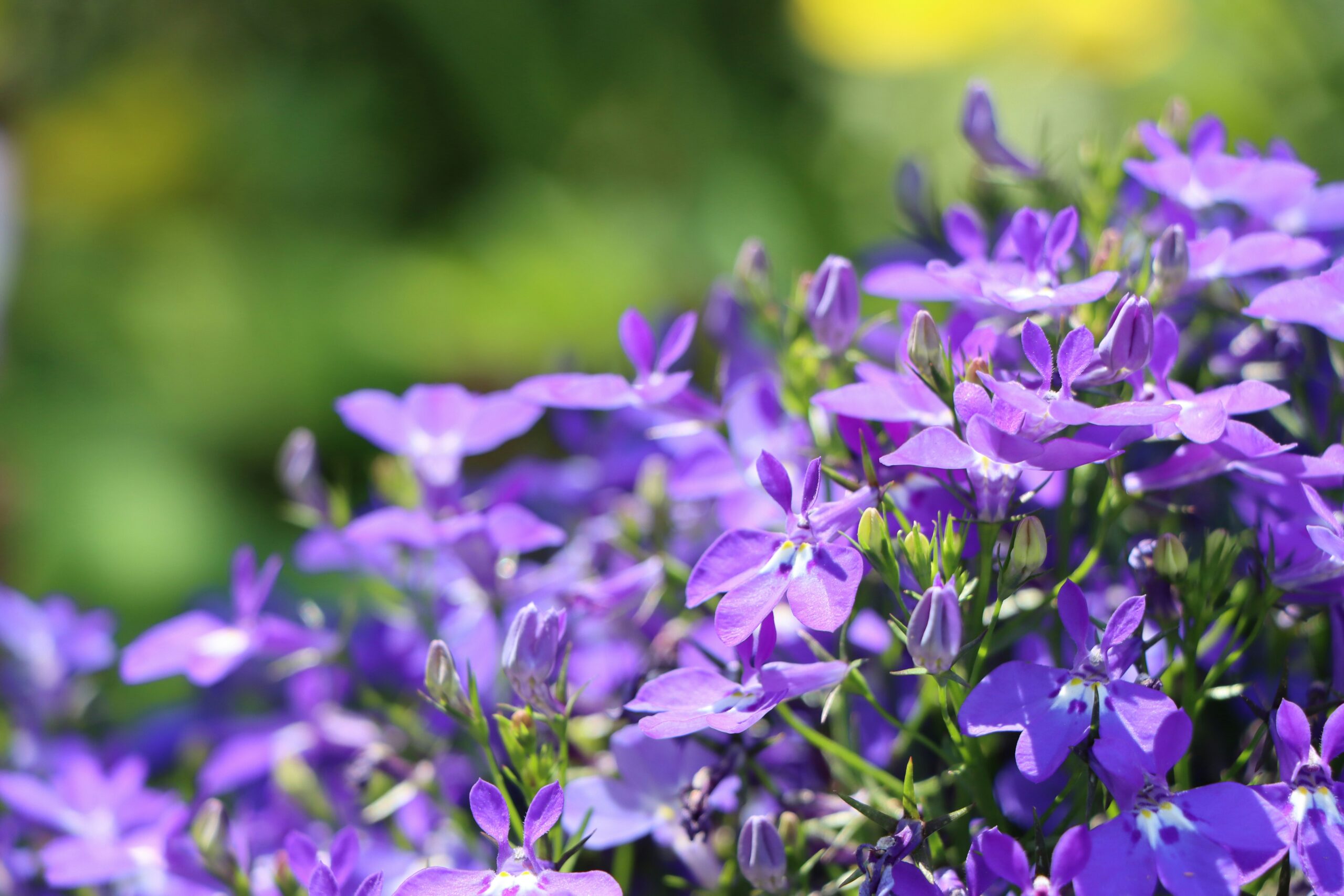
- Lobelia Trailing Sapphire
Best position: Sunny
Colour palette: Red, white and deep blue.
If you want a traditional summer hanging basket with plenty of colour, this is where we’d start. The red and white petunias provide the main body of the display, while Trailing Sapphire lobelia should tumble over the edge of the basket and introduce flashes of deep blue.
For our Greenfield trial, we’re planning to start with:
- 2 red petunias
- 2 white petunias
- 3 trailing lobelias
- in a roughly 12 inch hanging basket
That gives us seven plants in total.
Importantly, we’re calling this a trial rather than pretending there’s a magic formula for the perfect hanging basket. We want to see how quickly seven young plants fill the basket, whether one variety becomes dominant and how well the colour balance works once everything reaches full size.
We’ll photograph this basket from planting through to peak flowering so you can see exactly what happens.
2. Soft Salmon & White Summer Basket
- Petunia Aphrodite F1 Salmon
- Petunia Aphrodite F1 White
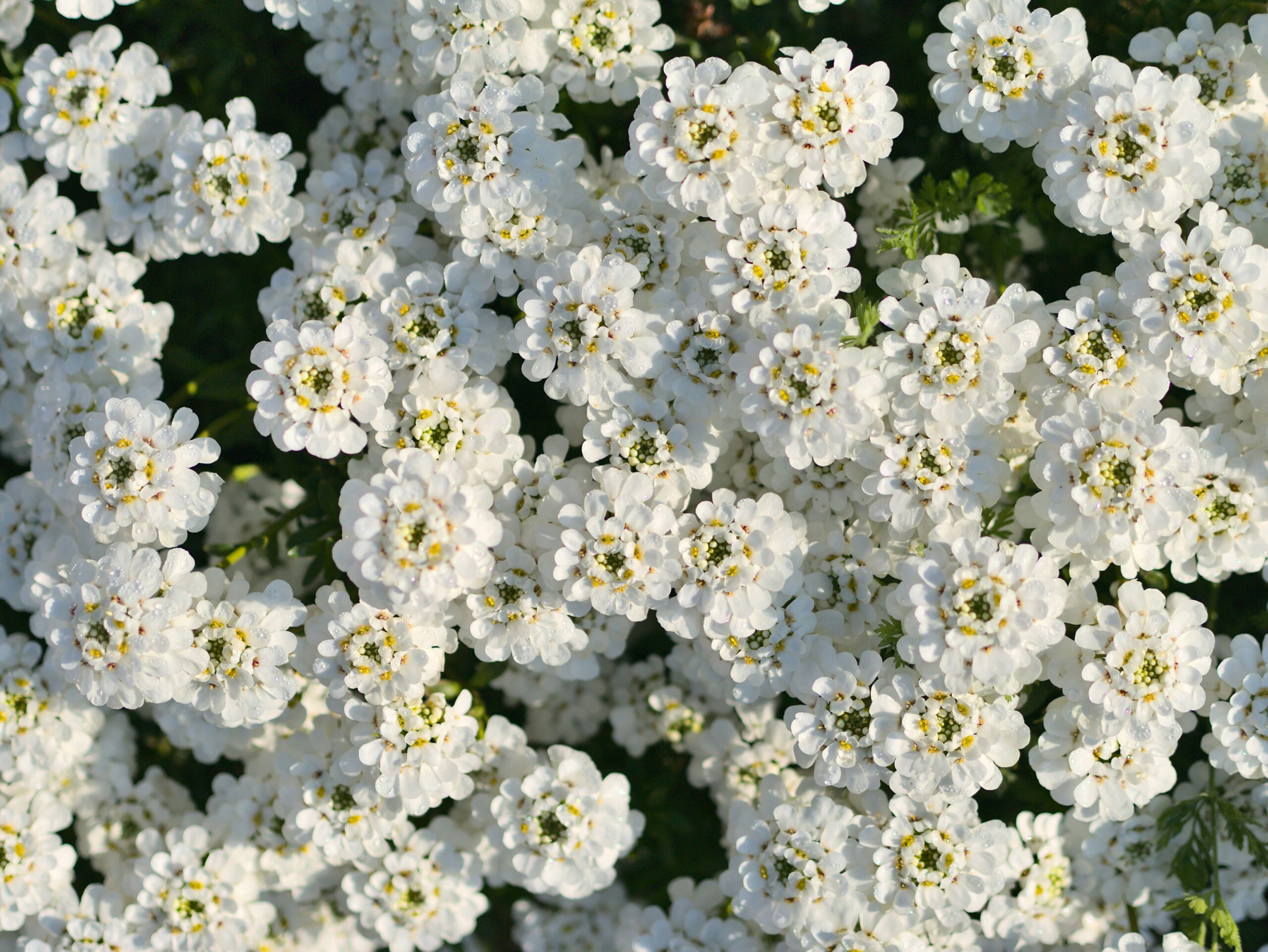
- Alyssum Carpet of Snow
- Best position: Sunny
- Colour palette: Salmon pink and white
- Style: Soft and simple
For something a little calmer, we’re pairing salmon and white petunias with white alyssum.
A possible combination would be:
- 3 salmon petunias
- 2 white petunias
- 2 alyssum
The petunias should provide the larger flowers and main display, while the smaller white alyssum flowers soften the edges.
This is one we’re particularly interested in trying because it should create a very different effect from the traditional brightly coloured hanging basket.
We’ll also be watching how the alyssum performs alongside the more vigorous petunias. If the petunias completely overwhelm it, we’ll know to adjust the balance next time.
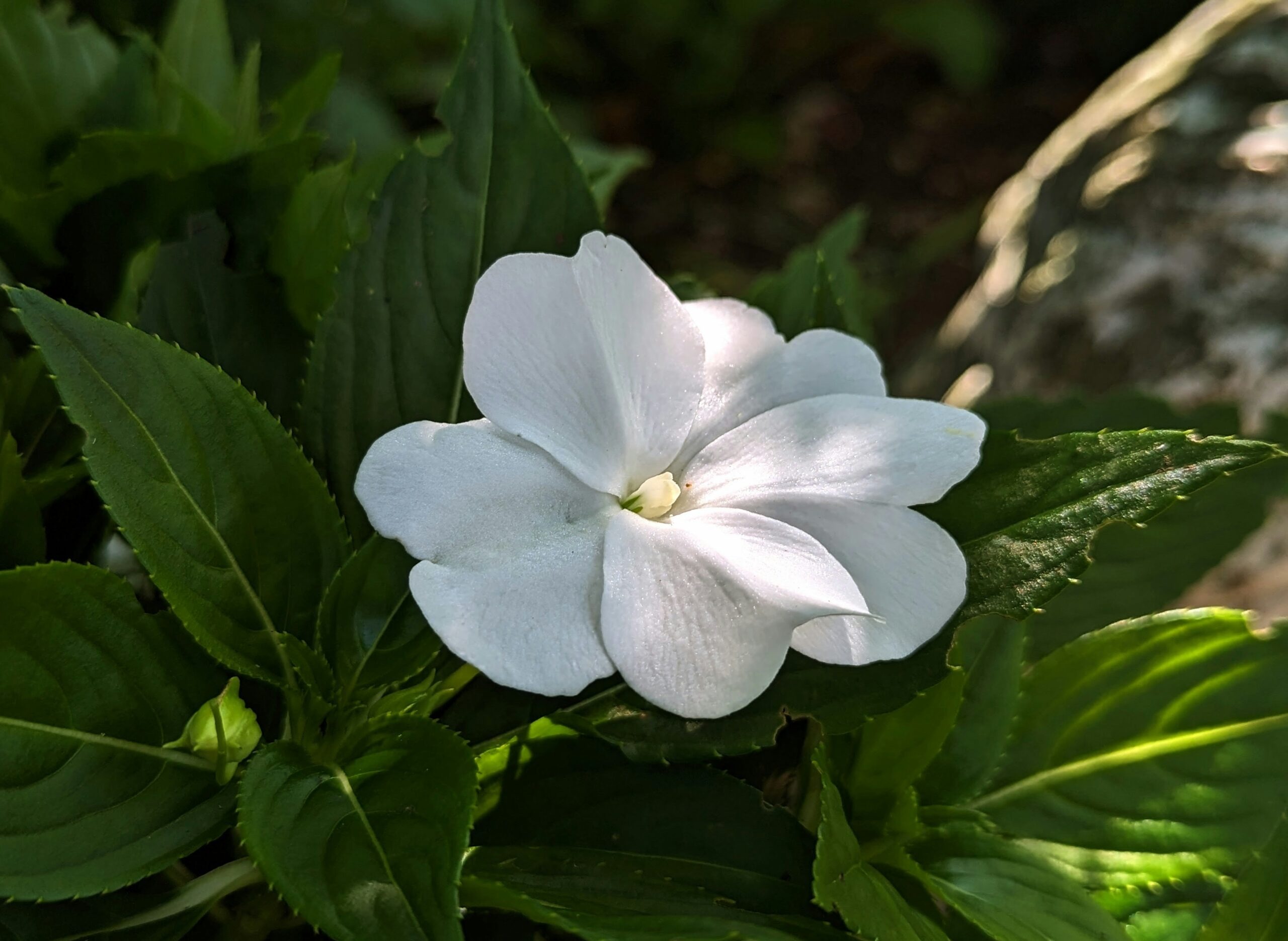
3. White & Blue Hanging Basket for Part Shade
- Busy Lizzie White
- Lobelia Trailing Sapphire or Lobelia Cascade Mix
- Best position: Part shade
- Colour palette: White and blue
- Style: Fresh, simple and slightly cooler
If your hanging basket doesn’t receive full sun all day, you still have plenty of options.
Our Busy Lizzie White prefers part shade and evenly moist conditions, while our trailing lobelias can grow in sun or part shade.
That makes them natural companions. We’re considering:
- 4 white Busy Lizzies
- 3 trailing lobelias
The Busy Lizzies should create the main body of the basket, with the lobelia gradually spilling over the sides.
This could be a particularly useful combination for baskets near a doorway, porch or wall that doesn’t receive strong sunshine throughout the day.
And because both plants appreciate regular moisture, their care requirements should be reasonably compatible too.
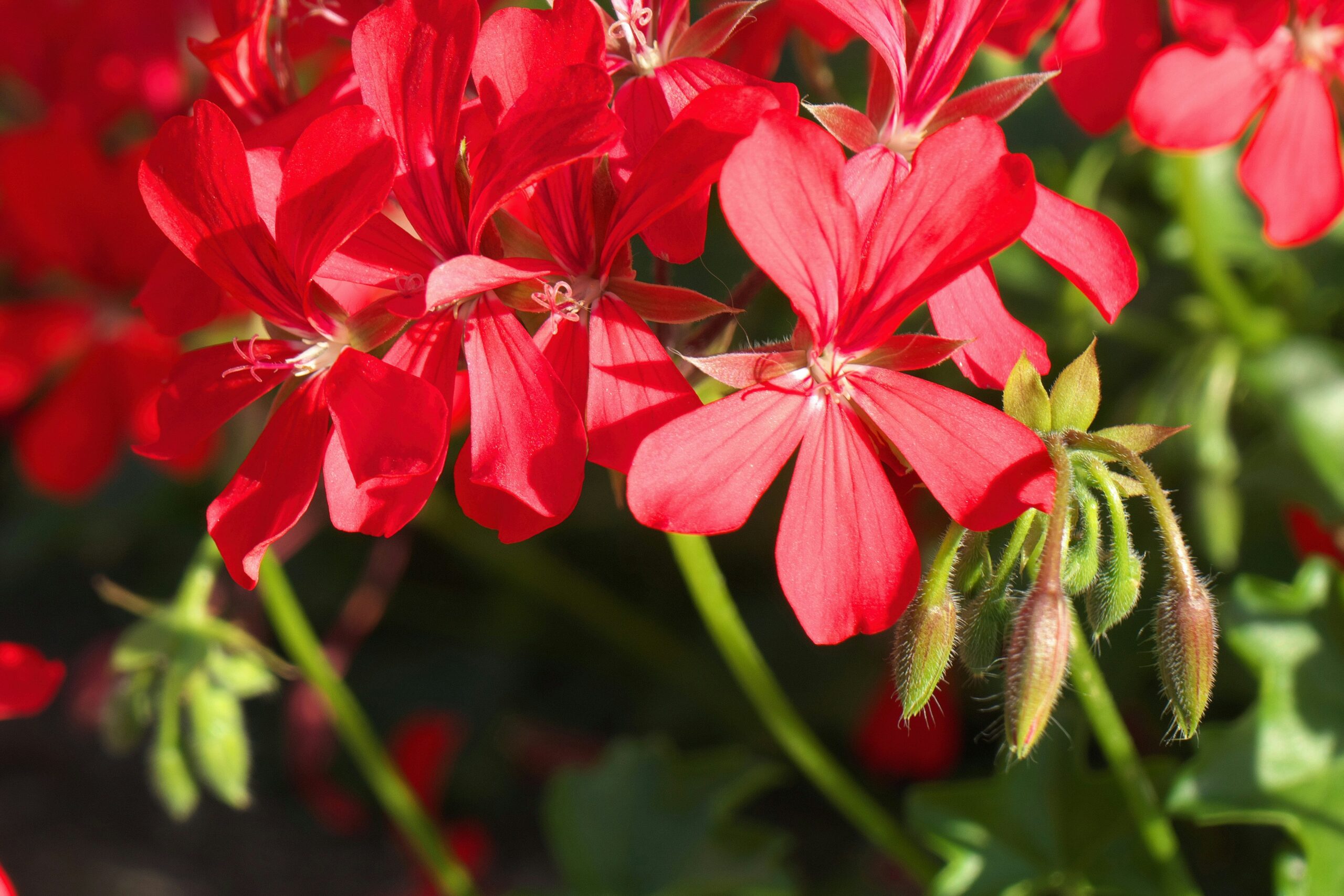
4. Pelargonium & Alyssum Hanging Basket
- Pelargonium Peltatum F2 Mixed
- Alyssum Carpet of Snow or Alyssum Royal Carpet
- Best position: Sunny
- Style: A Greenfield experiment
This one comes with a slight complication. Our pelargoniums are being grown from a mixed seed variety, which means we don’t yet know exactly which flower colours we’ll end up with.
Rather than seeing that as a problem, we’re going to wait until they flower and then choose the alyssum that works best alongside them.
White Carpet of Snow could give us a clean contrast, while the deeper colour of Royal Carpet might create something more dramatic.
That’s one of the advantages of growing plants ourselves at Greenfield: we can experiment with combinations as the plants develop rather than deciding everything months in advance.
We’ll share the result once we know what Mother Nature has given us!
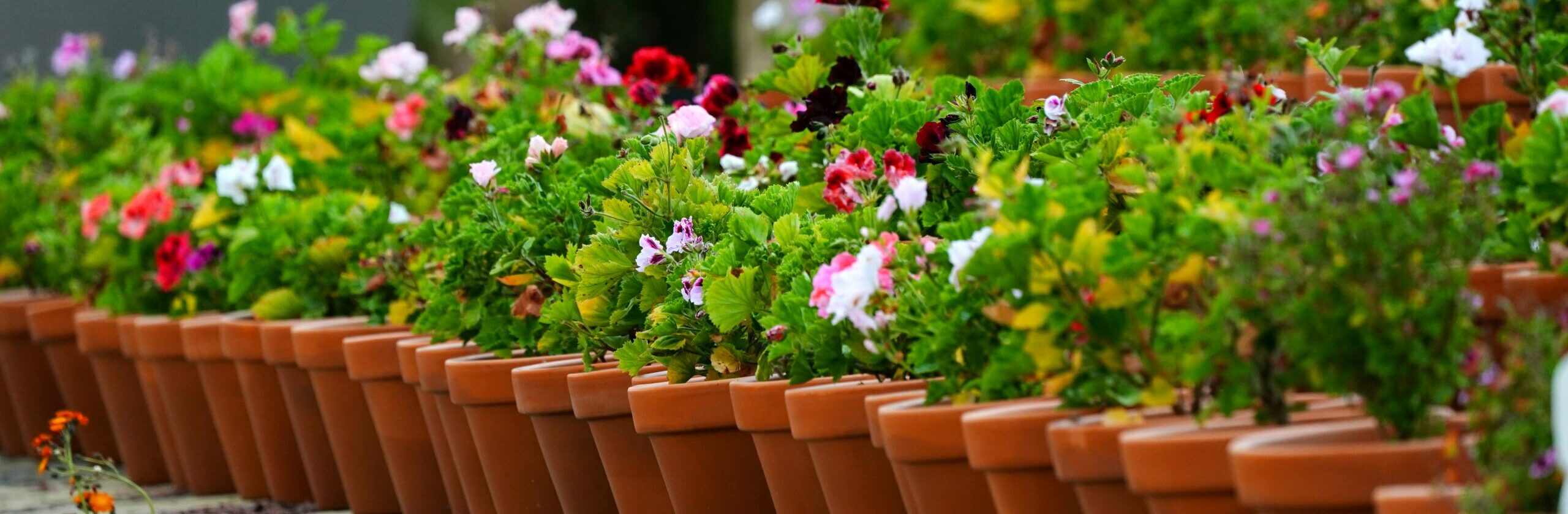
What do you need to make a summer hanging basket?
You don’t need a huge amount of equipment. For our Greenfield basket we’ll be using:
- a 12–14 inch hanging basket
- a suitable basket liner
- fresh container compost
around seven young plants - a watering can
- suitable plant feed
- a strong hanging bracket and secure fixings
Remember that a planted and freshly watered hanging basket can be much heavier than an empty one, so make sure your bracket and fixings are suitable for the job.
How to plant a summer hanging basket
We’ll be filming this properly when we make ours, but the basic process is straightforward.
- Prepare your basket
Fit the liner securely and add fresh compost.
Don’t compact the compost heavily. You want it settled enough to support the plants while still allowing roots, water and air to move through it. - Arrange the plants before planting
This is a simple trick, but a useful one.
Before removing anything from its pot, place your plants roughly where you think they’ll go.
Look at the basket from above and from the side.
Are the colours balanced? Are your trailing plants positioned where they can eventually grow over the edge?
It’s much easier to change your mind now than after everything has been planted. - Plant and firm gently
Remove each plant carefully from its pot and position it in the compost.
Fill around the rootballs with additional compost and gently firm everything into place. - Water thoroughly
Give the newly planted basket a good drink and allow excess water to drain.
Then keep an eye on the compost while the plants establish. - Don’t rush it outside
Many popular summer basket plants are tender.
Here in our relatively mild corner of the western UK, it’s tempting to assume spring has arrived after the first warm spell. Unfortunately, British weather doesn’t always agree.
We’ll keep an eye on our local conditions and wait until the risk of frost has passed before leaving tender baskets permanently outside.
How to keep a hanging basket flowering all summer
Planting the basket is really only the beginning. The challenge is keeping it looking good through June, July, August and — hopefully — well into early autumn.
Check the compost regularly
Hanging baskets can dry surprisingly quickly, particularly during warm or windy weather. Rather than watering automatically according to a rigid timetable, check the compost and the plants themselves.
We’ll be recording how often our Greenfield basket actually needs watering throughout the summer.
Feed your plants
A hanging basket contains a lot of hungry plants growing in a relatively small volume of compost.
We’ll be feeding ours during the growing season, following the instructions for the feed we’re using, and recording what we do so we can report back on the results.
Remove faded flowers
Regular deadheading can help keep many summer flowering plants looking tidy and encourage continued flowering.
It’s also a good opportunity to inspect the basket for pests, damaged growth or plants that are beginning to dominate their neighbours.


