
Wild Wonders of the Gwent Levels
Imagine a dawn walk on the Gwent Levels in South Wales, with birdsong rising from the reeds and a mist over ancient waterways. Suddenly, a flash of electric blue streaks low over a reedy ditch – a kingfisher has just announced your arrival! The Gwent Levels is a historic wetland landscape stretching between Newport and Cardiff along the Severn Estuary. It’s a flat patchwork of fields and “reens” (local drainage ditches) created by medieval monks, and today it’s one of Wales’s richest areas for wildlife. The area is protected as a Site of Special Scientific Interest for its rare animals and plants. At its heart is Magor Marsh, near the village of Undy, the last natural fenland on the Levels and a haven for countless species.
This blog post highlights the top wild animals of the Gwent Levels – water voles, otters, herons & egrets, birds of prey (like buzzards, kestrels, marsh harriers, barn owls), kingfishers, ducks & waders, and even secretive newts. For each, you’ll find what they are, why this habitat is special for them, and tips for spotting them (when, where, and how). The tone here is friendly and inspiring – our goal is to encourage you to get outside and discover these wild wonders yourself, responsibly and with excitement.
Before we meet the wildlife stars, remember a few wildlife-watching basics: move quietly, use binoculars, stick to paths and hides, and be patient. Early mornings or evenings can often be the most rewarding times for sightings. Now, let’s explore the Gwent Levels’ remarkable creatures and how to find them.
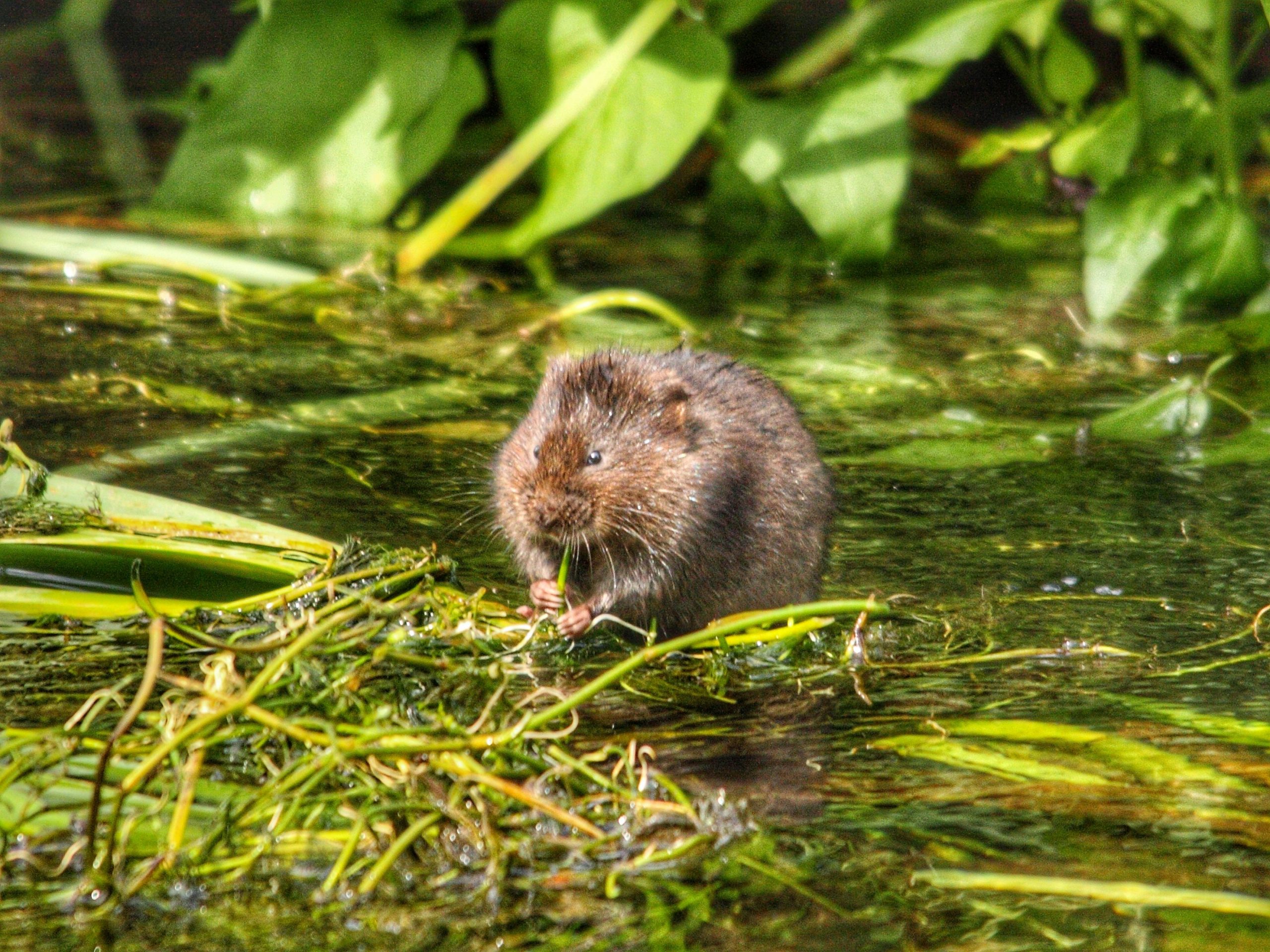
Water Vole – “Ratty” Returns to the Reeds
Water voles (nicknamed “Ratty” from Wind in the Willows) are charming semi-aquatic rodents and a symbol of wetland conservation. By the early 2000s, water voles had vanished from the Gwent Levels due to habitat loss and predation by invasive mink. But in 2012, Gwent Wildlife Trust reintroduced water voles to Magor Marsh, where they are still thriving today. These chunky, brown-furred herbivores live along reens and ponds, grazing on plants and digging burrows in muddy banks. Their return shows how perfect the Gwent Levels habitat is: an 800-mile network of slow-flowing ditches offers the dense vegetation and calm waters that water voles need for food and safety.
How to spot water voles:
- Where: Quiet, overgrown reens and pond edges – Magor Marsh’s boardwalk and ditches are prime spots for a glimpse.
- When: Summer is best (young voles are active), especially at dawn or dusk when they venture out to feed.
- Look for: Subtle signs of water voles if you don’t see the animal itself. Listen for a soft munching sound in the reeds, or the telltale “plop!” of a vole diving into water. Check muddy banks for star-shaped footprints and neat piles of nibbled stems cut at a 45° angle – a water vole’s lunch leftovers. Also watch for burrow holes with trimmed “lawns” of grass outside, and even little latrine piles of odorless droppings marking their territory.
- Tips: Keep very still and quiet once you spot signs of a water vole. Patience is key – with luck, you may see one swim across a channel or peek out from the reeds. Always observe from a distance to avoid disturbing these shy creatures.
Seeing a water vole on the Levels feels extra special, knowing the species’ struggles. It’s a tiny conservation success story nibbling at the banks – proof that with the right habitat and protection, even Britain’s fastest-declining mammal can make a hopeful comeback on the Gwent Levels.
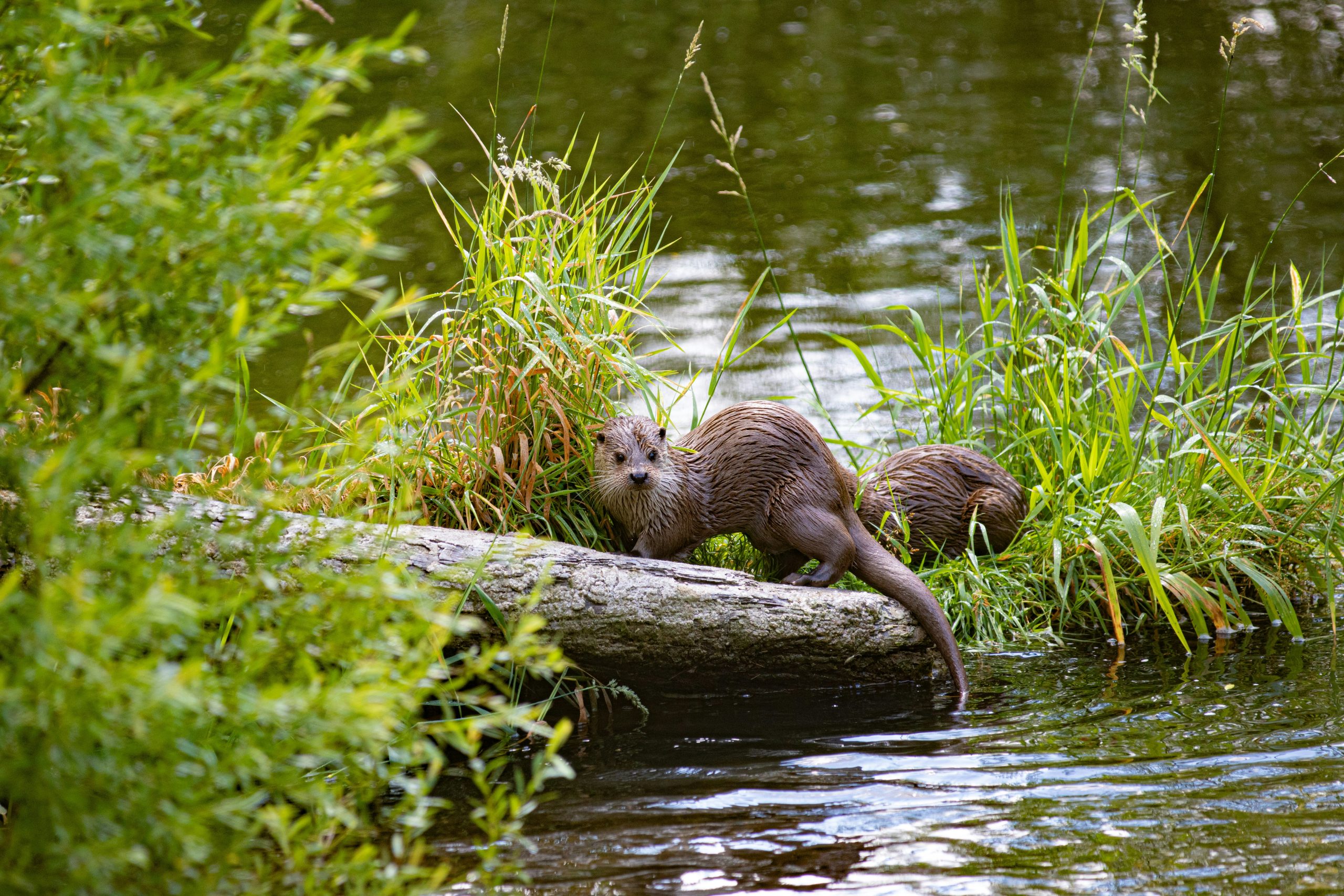
Otter – Sleek Hunter of the Wetlands
Sleek, playful, and elusive – the European otter (Lutra lutra) is one of the most exciting animals you might encounter. Otters were once nearly wiped out across the UK by hunting and pollution, but since water quality improved and harmful pesticides like DDT were banned, these predators have rebounded remarkably. Today, otters quietly patrol healthy waterways throughout Wales – and Magor Marsh is considered GWT’s best reserve to see otter activity. The reserve’s reens and large pond provide abundant fish and amphibians for otters to eat. Dense reedbeds and wooded banks give them safe, secluded resting spots during the day. If you find evidence of otters at Magor, it’s a great sign that the wetland ecosystem is thriving.
How to spot otters:
- Where: Look along the larger reens and around the main pond at Magor Marsh – especially the muddy banks and crossing logs. Otters are mostly nocturnal, but they cover a lot of ground, so they leave clues.
- When: Early morning or dusk (crepuscular times) offer the best chance of a glimpse. Quiet winter days are ideal for finding tracks, since vegetation is low and mud is soft for pawprints. Plus, fewer people around makes otters bolder.
- Look for: Signs of otters often reveal their presence. Check for webbed footprints by the water’s edge or on muddy slides. Another giveaway is otter “spraint” – tarry, dark droppings often left on rocks or banks, sometimes full of fish scales and with a peculiar, slightly sweet smell (people say like jasmine tea!). If you’re lucky, you might spot an otter’s rippling wake in the water, or even see its head briefly break the surface before diving.
- Tips: Stay downstream and out of sight if you suspect an otter is near. These animals have keen noses and frighten easily. If you do see one, stay quiet and enjoy – it’s a magical moment. And don’t be disappointed if you don’t see the otter itself; finding fresh footprints or slides is thrilling in its own way, confirming these wetland hunters are around.
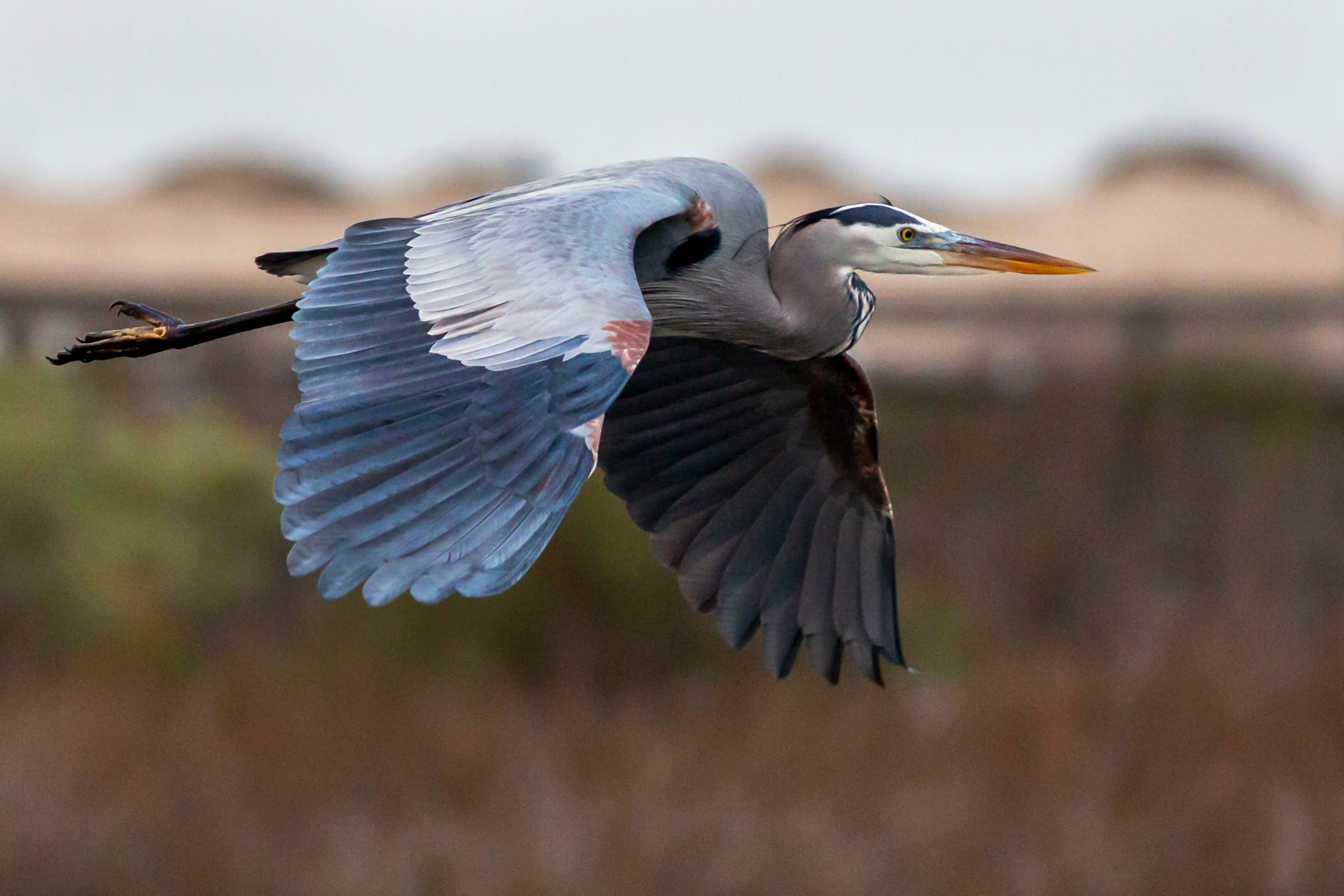
Herons and Egrets – Patient Fishers of the Reens
Tall, long-legged herons and egrets are easy to spot on the Gwent Levels. They are the patient fishers of the wetlands, often seen standing statue-still in shallow water, waiting to spear a fish or frog. The grey heron (Ardea cinerea) – large, grey, with a dagger-like yellow bill – is a familiar resident of reens and ponds year-round. At Magor Marsh, you’ll regularly find herons stalking through the reeds or gliding overhead. Little egrets (small white herons) are a newer addition: once rare in Britain, they began breeding in the UK in the late 1990s and have since spread widely. In fact, Magor Marsh even has nesting little egrets up in the trees now, their brilliant white plumage standing out against the greenery. Both herons and egrets love the Gwent Levels’ mix of open water and marshy fields, which teem with the small fish, insects, and amphibians they eat.
How to spot herons and egrets:
- Where: Any wet habitat on the Levels – reens, ditches, pools, and saltmarsh – may host these birds. Magor Marsh’s reedbeds and lagoons are prime territory. Little egrets are also commonly seen feeding along tidal channels near the coast.
- When: Daytime is fine; these birds hunt in daylight. They’re active year-round. Breeding season (spring/early summer) might let you see adults carrying sticks to nests (for egrets) or feeding juveniles.
- Look for: The silhouette is key – a tall bird with a long neck and legs. Grey herons often perch in trees or on banks looking hunched; when they fly, their wings beat slowly and they tuck their neck in. Little egrets are slender and white, often wading belly-deep. Sometimes you’ll see a sudden movement as one strikes at prey, or an egret shuffling its yellow feet in water to stir up small fish.
- Tips: Use a pair of binoculars or approach slowly to observe without alarming them. Herons and egrets will typically flush (fly off) if you get too close. For photography or closer looks, bird hides (like the one at Magor Marsh) are very helpful – you might watch a heron catch a frog right in front of you, all without it noticing your presence.
Note: If you’re extremely lucky, you might hear the low, booming call of a bittern in winter or spring. Bitterns are secretive, camouflaged brown herons that live in dense reedbeds. They returned to breed at Newport Wetlands (just west of Magor) in recent years after more than a century away! You’ll probably never see one unless you’re very fortunate, but just knowing these rarities are out there adds to the excitement of exploring the Levels.
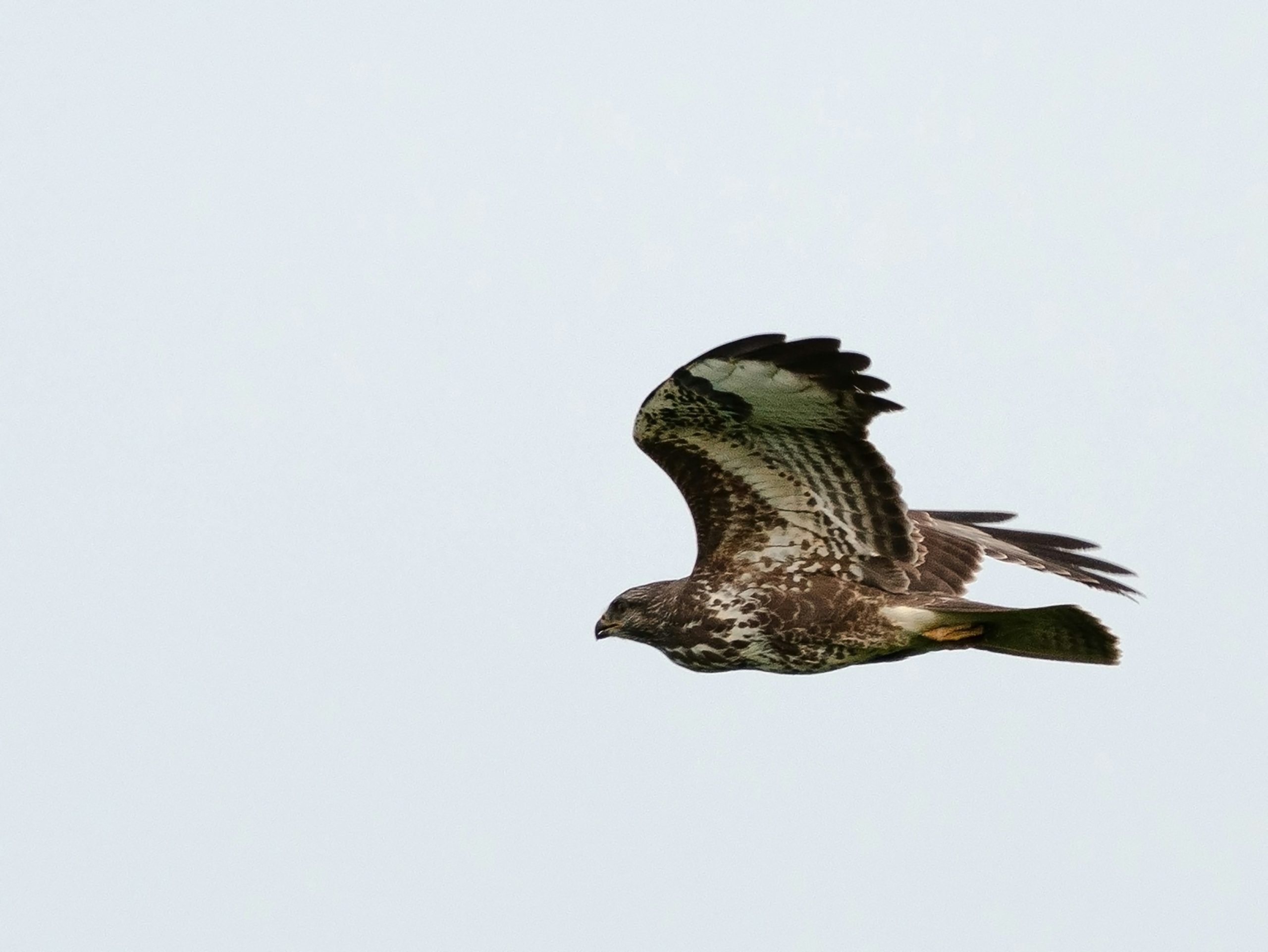
Birds of Prey – Raptors of the Open Sky
Wide open skies and abundant prey make the Gwent Levels a great place to watch birds of prey. Several raptor species patrol this area:
Buzzard:
Large, broad-winged hawks often seen soaring in lazy circles high above fields. Once rare, buzzards have become the UK’s most common raptor after decades of recovery – their numbers have quadrupled since the 1970s. Look for a big brown bird gliding or perched on a pole, and listen for its familiar “kee-yaah” mewing call. Midday on warm days is great for watching buzzards riding thermals.
Kestrel:
A smaller falcon known as the “windhover.” Kestrels are often spotted hovering in place, rapidly beating their pointed wings as they scan for mice and voles below. They’re common along roadsides and field edges. If you see a chestnut-coloured bird hanging virtually motionless in the air, that’s a kestrel hunting. They can be seen year-round, especially in mornings and late afternoons when rodents are active.
Marsh Harrier:
A specialist of wetlands, marsh harriers have returned to the Gwent Levels after being extinct in the UK early last century. A few now hunt over the reedbeds at places like Goldcliff and Newport Wetlands, and occasionally at Magor Marsh. These are large raptors (a bit bigger than buzzards) with long wings that often hold a V-shape in flight. Males are grey with black wing-tips, females are dark brown with a golden head. Watch for them gliding low over marshes, flushing ducks or grabbing frogs. They’re daytime hunters; try scanning reedbeds on calm mornings or evenings.
Barn Owl:
An iconic farmland owl, ghost-pale with a heart-shaped face. Barn owls hunt mostly at night, but on the Levels they often come out at dusk or even late afternoon in winter. They favor rough grassland at the edges of wetlands (where their rodent prey lives). At Undy and other villages on the Levels, locals sometimes glimpse barn owls silently quartering over ditches and fields. Look for a white, moth-like shape flapping slowly over a meadow around sunset. If you hear a harsh screech, that’s a barn owl (they don’t hoot).
Spotting these raptors is often a matter of keeping your eyes peeled and ears open. Carrying binoculars is worthwhile, and learn to recognize their flight styles. Seeing a buzzard ride the breeze or a barn owl floating in the twilight is unforgettable. Remember to admire from a distance – especially around nest sites (spring and summer) – and these predators will continue feeling at home on the Levels.
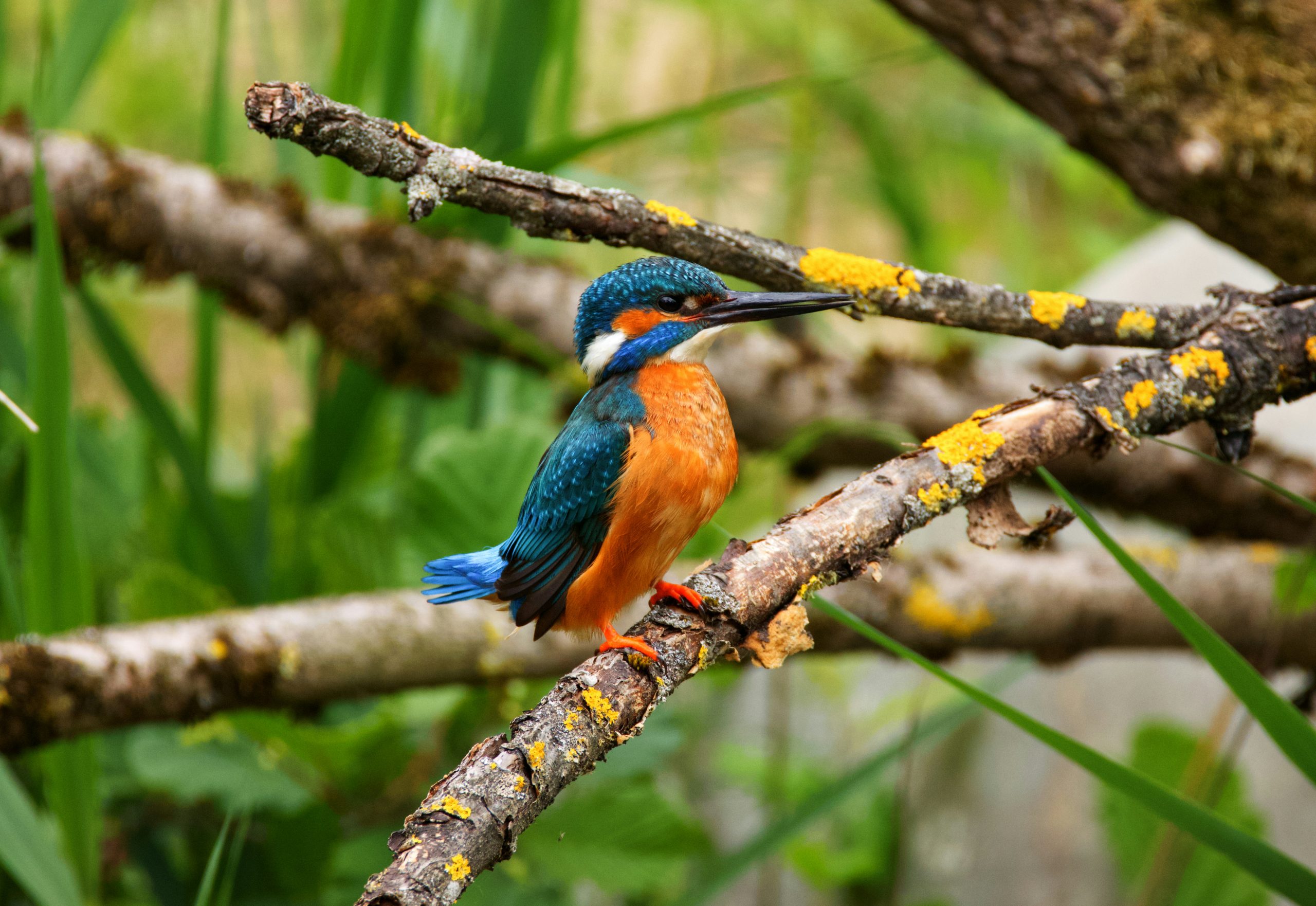
Kingfisher – Jewel of the Waterways
Few sights are as thrilling as a kingfisher – a tiny bird with shimmering blue-and-orange plumage that seems almost too bright for its humble ditch-side habitat. Kingfishers frequent the Gwent Levels’ reens, streams, and ponds, where they dive for small fish. Thanks to the clean, slow waters and plentiful minnows, the Levels can support many kingfishers year-round. Magor Marsh even has an artificial nesting bank to encourage them. These jewels of the waterways are shy and fast, but with patience you can see them.
How to spot kingfishers:
- Where: Along any waterway with small fish – reens, ponds, drainage ditches. Magor Marsh’s pond and main ditches are known kingfisher haunts. Look for low branches over water where a kingfisher might perch.
- When: All year, but they’re easiest to find in autumn and winter when leaves have fallen and they stand out more. Also, quieter human traffic in early morning means they may be out hunting.
- Look for: A sudden flash of turquoise-blue zipping along the water’s surface – often accompanied by a sharp “peep!” or whistle call. If one lands, you might see it perched intently before it plunges headfirst into the water. Kingfishers are small (sparrow-sized) but vivid; sometimes all you catch is the neon blue back or a glint of orange chest as it dashes by.
- Tips: Find a likely spot (clear water with fish) and wait quietly. If you hear a whistle, freeze – a kingfisher could be approaching. They often follow regular feeding rounds, so if you miss the bird, stick around; it may return to the same perch in 10–15 minutes. Always enjoy from a respectful distance – they will avoid the area if people get too close.
Seeing a kingfisher is like finding a rare treasure. On the Gwent Levels, with patience, you have a good shot at spotting this dazzling bird living its best life in our wetlands.
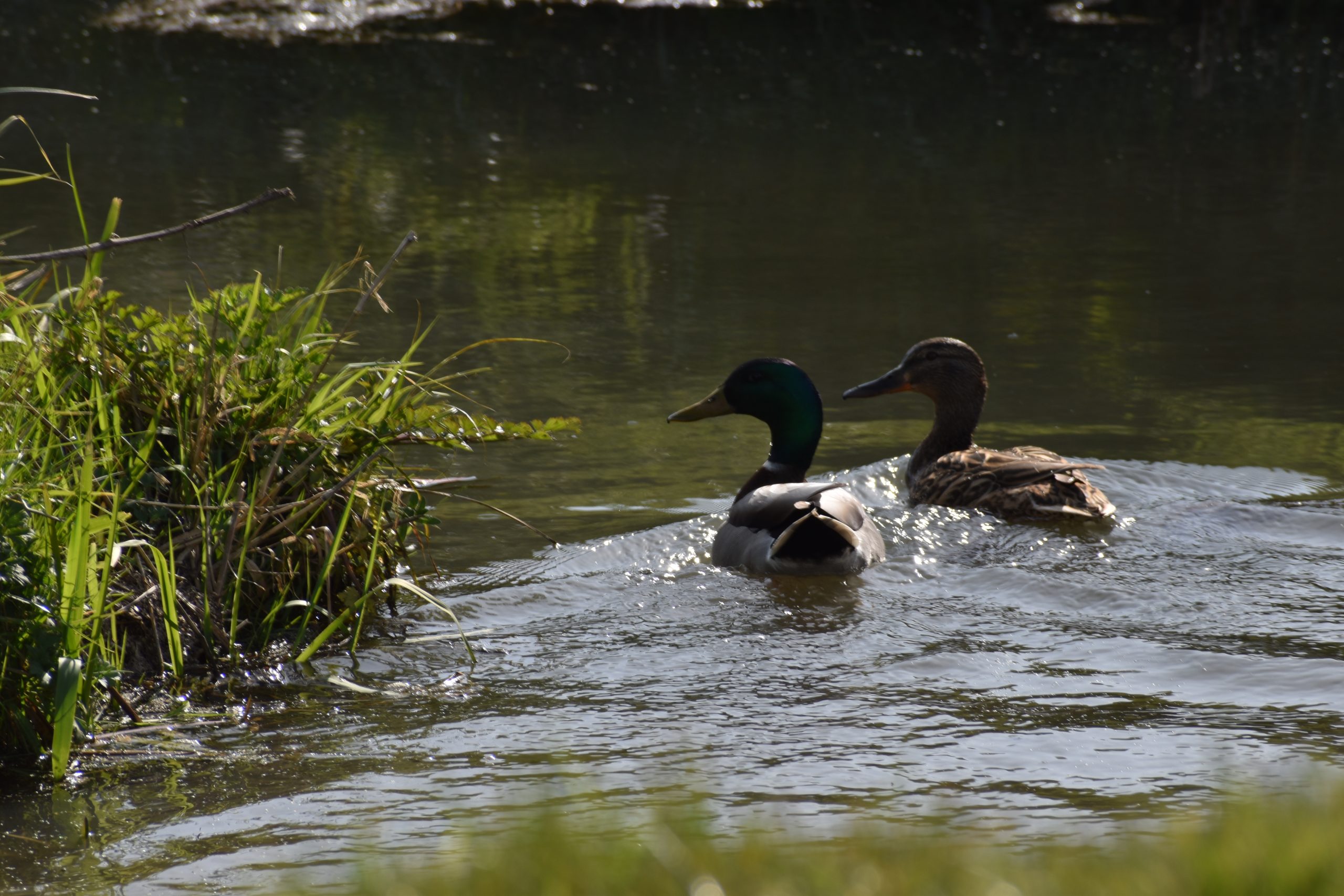
Ducks and Wading Birds – From Teal to Lapwings
The wetlands of the Gwent Levels host a rich variety of waterfowl and wading birds, especially noticeable in autumn and winter. The reens and flood pools become magnets for ducks escaping harsh northern climates, while the nearby Severn Estuary mudflats attract flocks of waders.
What to see:
- Ducks: Common year-round ducks like mallards and moorhens reside in the reens. But in winter, numbers swell with migratory ducks. Look for teal and wigeon (smaller ducks with whistling calls) gathering on flooded fields and ponds like those at Magor Marsh, as well as shovelers (with big spoon-shaped bills) spinning in circles on the water. Canada geese and mute swans are often present too.
- Wading birds: On coastal edges of the Levels (Goldcliff, Newport Wetlands) you might see elegant avocets sweeping their upturned bills in lagoons, or redshanks and snipe poking in the mud. Lapwings (the “peewit” with a crest) form large flocks over fields in winter, showing off dark-green wings and tumbling flight. Curlews, our largest wader with a long curved bill, can be spotted on estuary shores, their mournful calls echoing over the flats. During high tides in winter, waders are pushed off the mud and gather in great numbers on shore or shallow pools, creating mesmerizing murmurations as they fly together.
How to enjoy the waterbird spectacle:
- Where: Magor Marsh’s open water and any flooded fields nearby for ducks. For large mixed flocks of waders and ducks, Goldcliff Lagoons (a bit west of Undy) and the coastal sea-wall hides offer big vistas.
- When: Autumn and winter months (roughly October–March) are peak times for numbers. Go at morning or late afternoon when birds are actively feeding or flying in to roost. High tide events on the estuary (check tide tables) are especially good to see concentrated flocks.
- Look for: Movement and listen for calls. A sudden eruption of lapwings or golden plovers into the sky often means a predator (like a peregrine or marsh harrier) is near, which is an exciting scene on its own. Notice the distinct plumages – the teal’s green eye patch, the avocet’s stark black-and-white elegance. Bring binoculars or a spotting scope if you have one, to get a closer look at distant flocks.
- Tips: Dress warmly in winter and be prepared for wind along the coast. A thermos of hot tea is your friend during long sessions in a hide! Keep dogs leashed to avoid flushing birds unnecessarily. Above all, soak in the atmosphere – a winter afternoon with thousands of waterbirds on the Gwent Levels is a true wildlife spectacle that will inspire any nature lover.
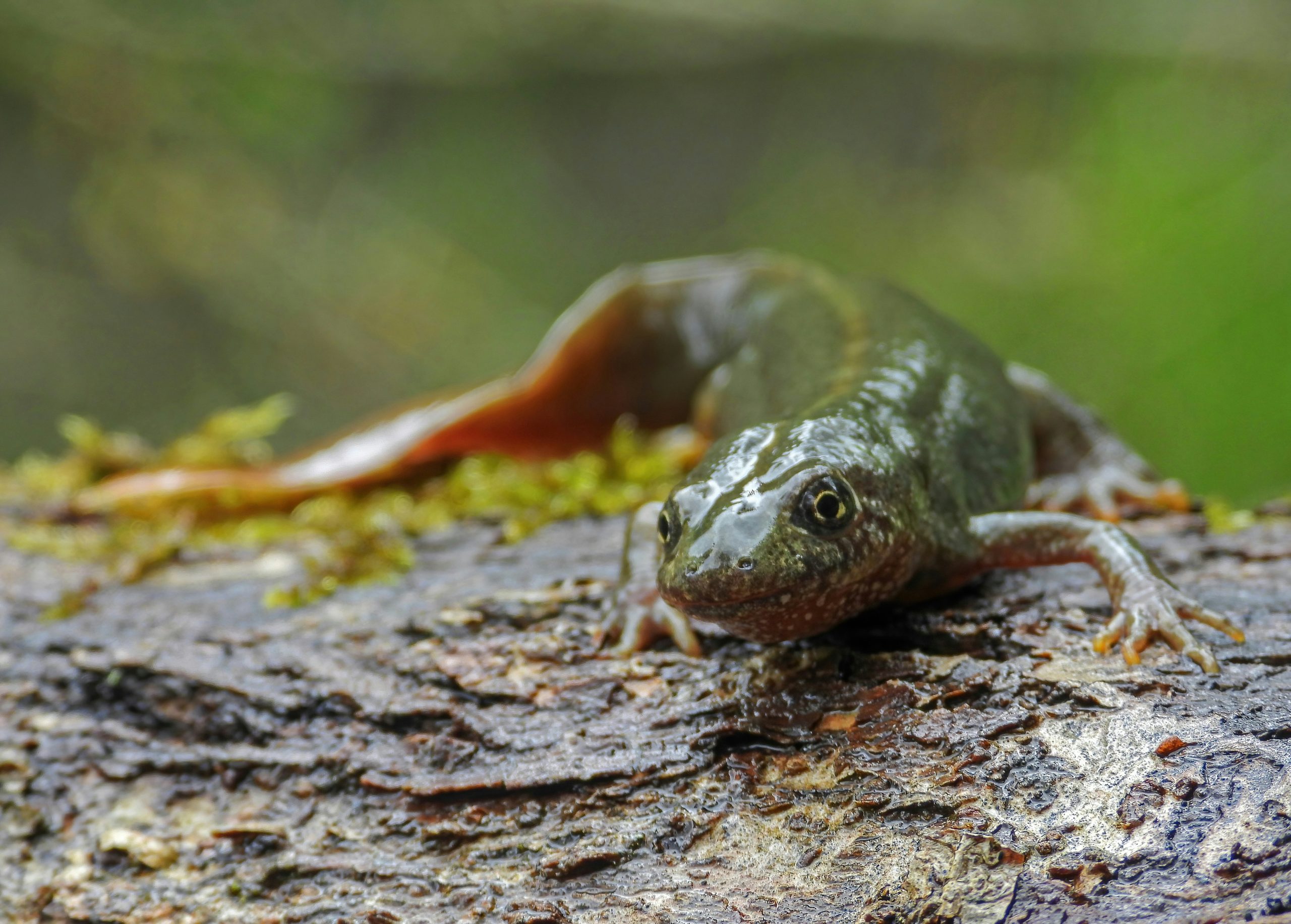
Newts and Friends – Mini “Dragons” of the Marsh
The Gwent Levels aren’t just about birds and mammals – the wetlands support a host of amphibians too. In the ponds and reens around Magor and Undy live frogs, toads, and newts, which may be small but are fascinating if you know where to look. The star is the great crested newt, a chunky, dark newt with a wavy orange crest (on males) that earns it the nickname “warty newt” or “miniature dinosaur”. This protected species breeds in clean ponds from spring through early summer and spends the rest of the year in nearby grassland and hedgerows feeding on insects. The Gwent Levels’ mosaic of reens and pools, many of them fish-free and rich in aquatic vegetation, provide ideal conditions for newts to thrive.
How to find newts:
- Where: Ponds, ditches, and scrapes with still water are prime breeding sites. Magor Marsh’s pond and smaller pools are known to host newts. Ditches with lots of plants (and no fish) are worth checking on warm spring nights.
- When: Spring nights (March–June) are the best time, when newts are in water mating and laying eggs. They’re nocturnal, so an evening walk with a flashlight gives you a better chance to catch their eye-shine or shadowy shapes under water. (Be safe near water in the dark!)
- Look for: Smooth newts and common toads sometimes appear on damp paths or under logs. Great crested newts are elusive – you might see one come up for air in a pond. If you gently shine a torch into shallow water after dark, you might spot the silhouette of a swimming newt or its orange belly. Also listen in spring for the chorus of frogs in ditches, especially marsh frogs (an introduced species in the Levels) which have a loud croaking call.
- Tips: Because great crested newts are legally protected, it’s illegal to catch or handle them without a license. A good way to see them up close is by joining a guided pond-dipping event or a volunteer survey with groups like Gwent Wildlife Trust or local amphibian forums. These often run in springtime and allow you to observe newts safely. Otherwise, enjoying amphibians is about slow, careful exploration: peek under logs (then replace them gently), scan puddles and ponds, and you’ll start noticing the small but vital wildlife that often goes unseen.
From water voles nibbling on reeds to barn owls gliding at dusk, the Gwent Levels – and particularly gems like Magor Marsh – offer endless natural marvels. This unique landscape, shaped by humans but reclaimed by nature, is bursting with life.
Every season brings its own highlights: spring’s chorus of frogs and birds, summer’s dragonfly dances and water vole plops, autumn’s migrating flocks, and winter’s wildfowl gatherings. The key to spotting these treasures is to get out there, explore patiently, and be curious. Remember to tread lightly – stick to trails, respect wildlife by observing from a distance, and leave no trace – so that these creatures continue to thrive.
We hope this guide inspires you to pull on your boots, grab your binoculars, and experience the wild wonders of the Gwent Levels for yourself. Happy exploring!


